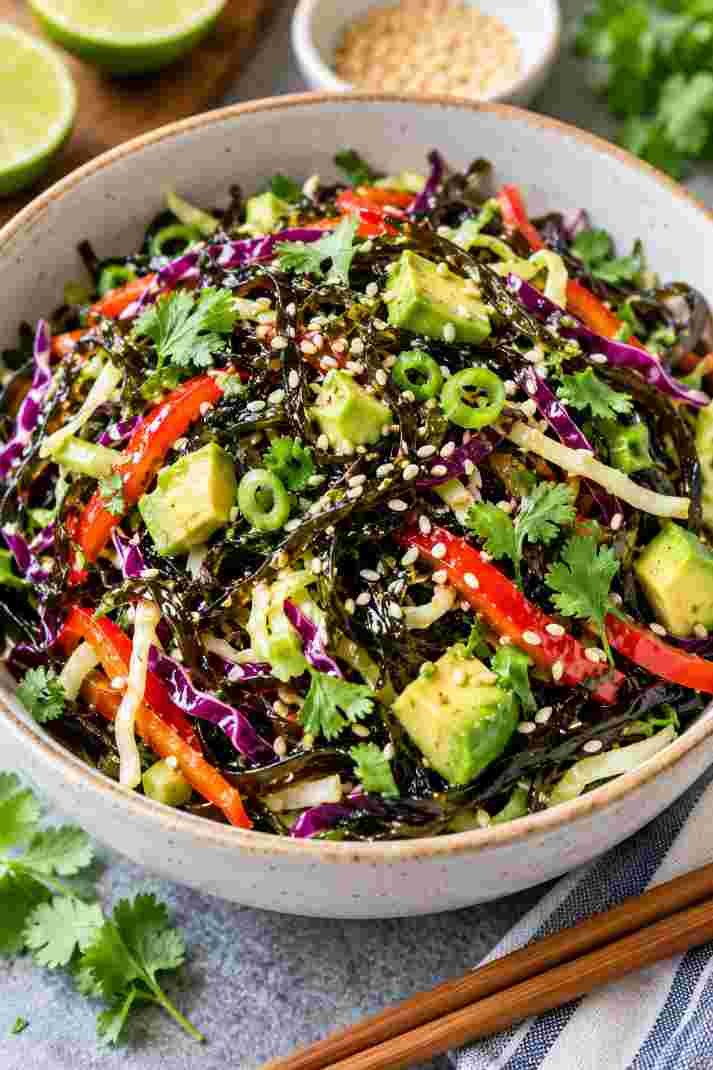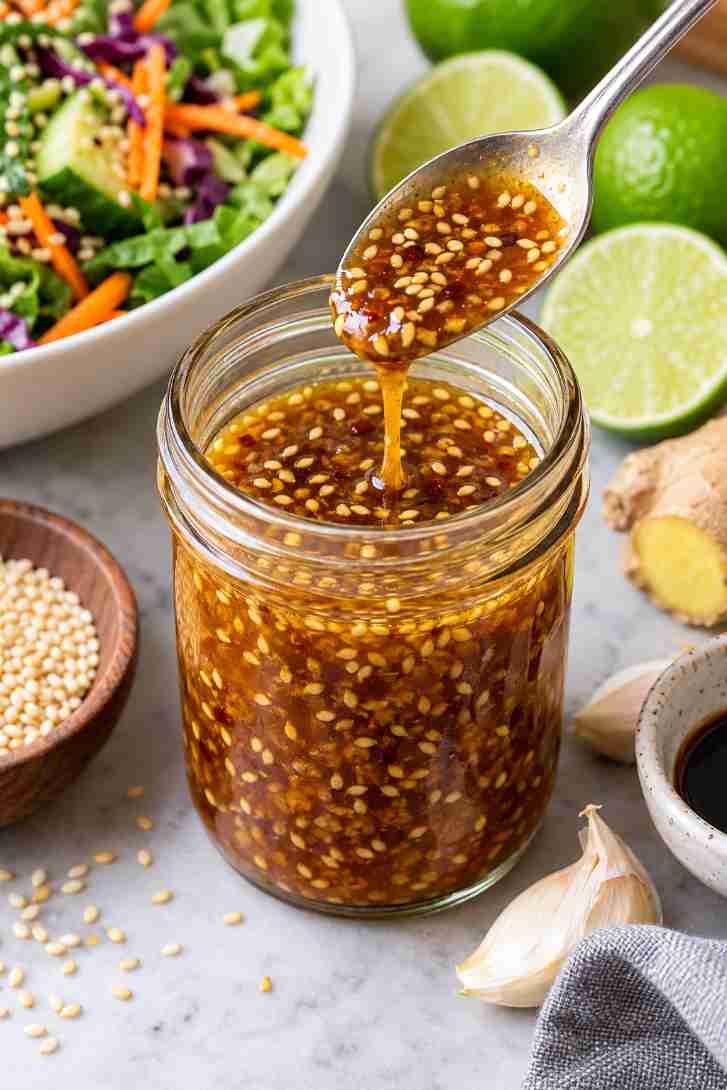
This easy Sesame Dressing is the kind of homemade sauce that can make a simple bowl of greens taste like a proper meal. It has a rich sesame flavor, a little salty depth from soy sauce, fresh lime for brightness, and ginger and garlic for extra character. It takes only a few minutes to whisk together, and you can use it on much more than salad. Drizzle it over crunchy vegetables, noodle bowls, rice, tofu, or even use it as a quick marinade.
Why Make Sesame Dressing at Home?
Store-bought dressings can be convenient, but homemade sesame dressing gives you much more control over the flavor. You can make it sharper with extra lime, more savory with a little soy sauce, or spicy with red pepper flakes. The toasted sesame oil does most of the heavy lifting, so you do not need a long list of ingredients to get a deep, nutty flavor.
Sesame Dressing Ingredients
| Ingredient | Amount | Notes |
|---|---|---|
| Toasted sesame oil | 1/4 cup | Use toasted sesame oil for the strongest sesame flavor. |
| Low-sodium soy sauce or tamari | 2 tablespoons | Tamari works well for a gluten-free version. |
| Fresh lime juice | 2 tablespoons | Fresh juice gives the dressing a brighter flavor. |
| Fresh ginger | 2 teaspoons, finely grated | Add a little more if you like a stronger ginger flavor. |
| Garlic | 1 small clove, minced | Fresh garlic works best here. |
| Dijon mustard | 1/2 teaspoon | Helps round out the dressing. |
| Sesame seeds | 1 tablespoon | Optional, but great for extra texture. |
| Red pepper flakes | A pinch | Optional for a little heat. |
Also Read: Pickled Jalapeños
How to Make Sesame Dressing
1. Toast the Sesame Seeds
If you are using sesame seeds, place them in a small dry skillet over medium-low heat. Stir frequently for 2 to 3 minutes, just until they become lightly golden and fragrant. Keep an eye on them because sesame seeds can go from toasted to burnt quickly. Set them aside to cool slightly.
2. Combine the Ingredients
Add the toasted sesame oil, soy sauce or tamari, lime juice, grated ginger, minced garlic, Dijon mustard, and red pepper flakes to a small bowl or measuring cup. Add the toasted sesame seeds as well.
3. Whisk Until Smooth
Whisk everything together until the oil and other ingredients are well combined. Taste the dressing and adjust it to your preference. A little extra lime makes it brighter, while a small splash of soy sauce makes it saltier and more savory.
4. Let It Rest
You can use the dressing immediately, but giving it about 15 to 20 minutes to sit allows the ginger, garlic, sesame, and lime flavors to blend together. Give it another quick stir before serving.
What You Can Do Better
The easiest way to improve this dressing is to balance it to the food you are serving. If your salad contains mild vegetables such as cucumber and lettuce, keep the dressing bold and gingery. For stronger ingredients such as cabbage, broccoli, or seaweed, add a little extra lime juice to keep the finished salad fresh.
Freshly toasted sesame seeds also make a noticeable difference. They add a gentle crunch and a warmer sesame flavor than packaged seeds. If you prefer a smoother dressing, simply leave them out.
For a slightly sweeter dressing, whisk in 1 teaspoon of maple syrup or honey. This is especially useful when serving it with bitter greens or a vegetable-heavy salad.
Also Read: Arrabbiata Sauce
How to Use Sesame Dressing
This dressing is much more versatile than a basic green salad dressing. Try it with shredded cabbage, carrots, cucumber, bell peppers, edamame, broccoli, snap peas, or leafy greens. It also works nicely over cold noodles, rice bowls, roasted vegetables, tofu, and grain bowls.
| Use | How to Serve |
|---|---|
| Green salad | Toss with lettuce, cucumber, carrots, and avocado. |
| Crunchy slaw | Mix with shredded cabbage and carrots. |
| Noodle bowls | Toss with chilled noodles and fresh vegetables. |
| Rice bowls | Drizzle over rice, edamame, tofu, and vegetables. |
| Roasted vegetables | Add a little dressing just before serving. |
| Tofu or chicken | Use as a flavorful finishing sauce or simple marinade. |
Tips for the Best Sesame Dressing
- Use toasted sesame oil rather than plain sesame oil when possible because it provides a deeper, more recognizable sesame flavor.
- Fresh lime juice tastes brighter than bottled juice and works especially well with the sesame oil.
- Start with a small amount of red pepper flakes and add more if you want extra heat.
- If the dressing tastes too strong on its own, try it with the vegetables before making major adjustments.
- For a gluten-free dressing, choose certified gluten-free tamari instead of regular soy sauce.
- Give the dressing a good stir or shake before serving because the ingredients can separate as it sits.
Also Read: Pumpkin Dip with Goat Cheese
Storage
Transfer the finished sesame dressing to a clean airtight jar or container and refrigerate it. It is best used within about 1 week. The sesame oil may become thicker when chilled, so let the dressing sit at room temperature for a few minutes and shake or whisk it before using.
Sesame Dressing Nutrition
The following nutrition information is an estimate for approximately 2 tablespoons of dressing and will vary depending on the exact brands and quantities used.
| Nutrient | Estimated Amount |
|---|---|
| Calories | 125 kcal |
| Total Fat | 12 g |
| Saturated Fat | 2 g |
| Carbohydrates | 2 g |
| Protein | 1 g |
| Sodium | 300 mg |
| Fiber | 0.5 g |
| Sugars | 0.5 g |
Nutrition information is an estimate and should not be considered medical or dietary advice.
Also Read: Swiss Chard
Frequently Asked Questions
Can I make Sesame Dressing without Dijon mustard?
Yes. Dijon adds a subtle tang and helps round out the flavor, but you can leave it out if you do not have it or do not enjoy mustard.
Can I use lemon juice instead of lime juice?
Yes. Lemon juice can be used when lime is unavailable. The flavor will be slightly different, but the dressing will still work well with salads and vegetables.
Can I make this dressing ahead of time?
Absolutely. In fact, making it a little ahead can help the garlic and ginger flavors develop. Keep it covered in the refrigerator and shake well before serving.
Is Sesame Dressing vegan?
Yes, this version can be vegan as long as you use a vegan Dijon mustard and a soy sauce or tamari that contains no animal-derived ingredients.
What can I use instead of soy sauce?
Tamari is the easiest substitute. For a soy-free option, you can use coconut aminos, although the flavor will be milder and slightly sweeter.