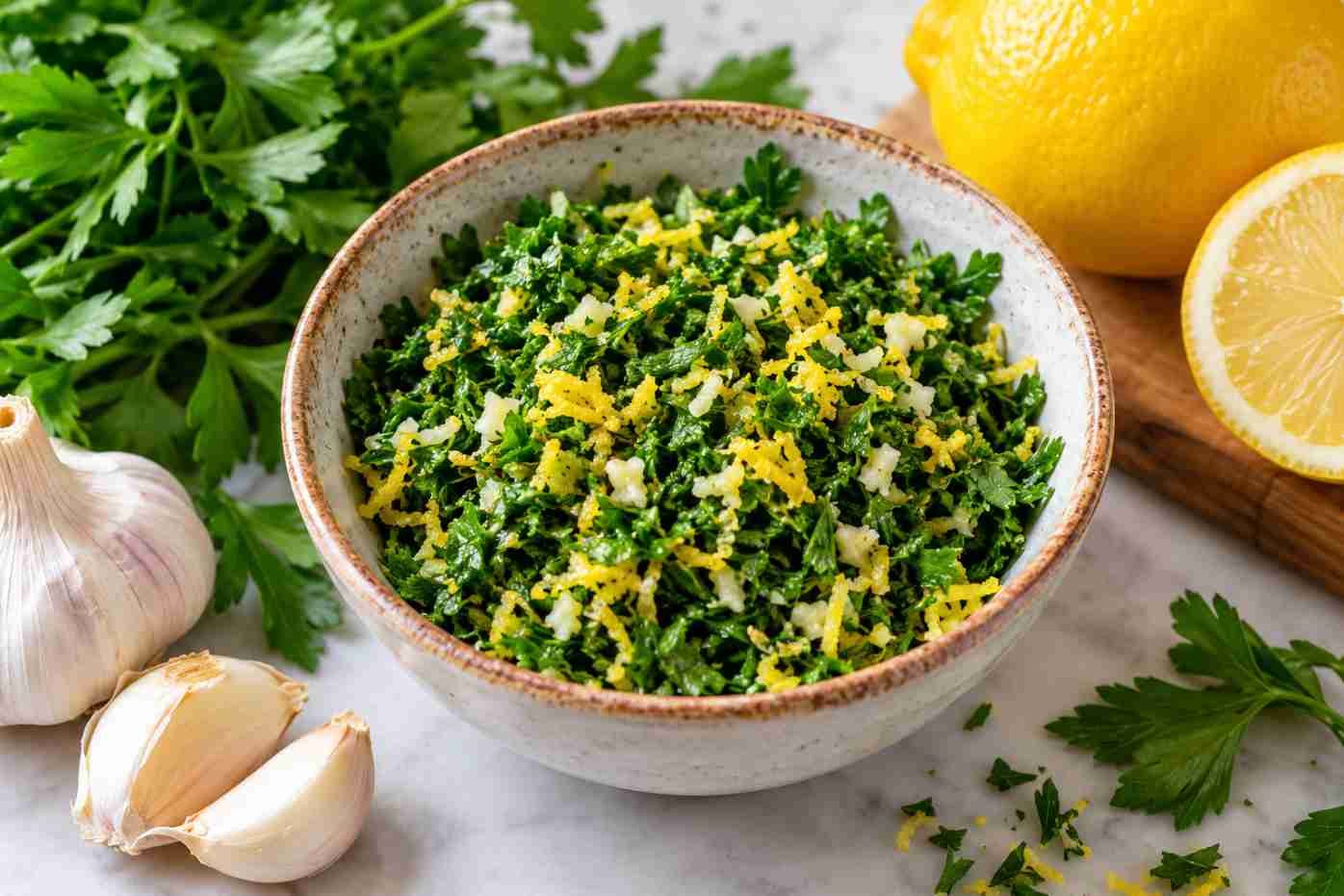
Gremolata is a fresh Italian condiment made with chopped parsley, lemon zest, and garlic. It has a bright citrus flavor, a little garlic heat, and a fresh herbal taste that can make even a simple meal feel special. The best part is that you do not need a blender, a long list of ingredients, or much cooking experience to prepare it.
This easy gremolata recipe takes about five minutes to make. Serve it over roasted vegetables, grilled chicken, fish, pasta, potatoes, or a warm bowl of soup. It is also a great way to add fresh flavor to beans, hummus, and other everyday dishes.
What Is Gremolata?
Gremolata is a traditional Italian herb condiment best known as a finishing touch for osso buco, a slow-braised dish traditionally made with veal shanks. Its simple combination of parsley, garlic, and lemon zest provides a fresh contrast to rich, slow-cooked food.
Unlike pesto, gremolata does not need nuts, cheese, or a large amount of olive oil. Classic gremolata is a finely chopped mixture rather than a smooth sauce. Its ingredients are easy to find, and the preparation is simple enough for a quick weeknight meal.
What You Can Do Better
The secret to good gremolata is not adding more ingredients. It is getting the texture and balance right. A few small details can make a noticeable difference in the final result.
- Dry the parsley completely: Wet leaves tend to stick together and can make the mixture clumpy. Wash the parsley first, then dry it thoroughly before chopping.
- Use fresh flat-leaf parsley: Italian flat-leaf parsley has a fresh, clean flavor that works particularly well in this condiment.
- Zest only the yellow part of the lemon: The white layer underneath the peel can taste bitter, so avoid including too much of it.
- Chop by hand: A sharp knife gives you better control over the texture. A food processor can turn the herbs into a wet paste instead of a light, crumbly mixture.
- Keep the garlic balanced: One medium clove is enough for a small batch. If you prefer a gentler garlic flavor, start with half a clove and add more if needed.
- Make it close to serving time: Gremolata tastes especially fresh when prepared just before the meal. Add it after cooking rather than heating it for a long time.
Gremolata Recipe at a Glance
| Recipe Detail | Information |
|---|---|
| Preparation Time | 5 minutes |
| Cooking Time | 0 minutes |
| Total Time | 5 minutes |
| Yield | About 3/4 cup |
| Course | Condiment or garnish |
| Cuisine | Italian |
| Cooking Method | No-cook preparation |
| Dietary Notes | Vegan, vegetarian, dairy-free, and gluten-free when prepared with the ingredients listed |
Also Read: Mediterranean Bean Salad
Ingredients for Gremolata
You only need three basic ingredients to make this classic version. For the best flavor, choose fresh parsley, a good lemon, and fresh garlic.
| Ingredient | Quantity | Purpose |
|---|---|---|
| Fresh flat-leaf parsley | 1 medium bunch, about 3/4 cup chopped | Provides the fresh herbal base. |
| Fresh lemon | Zest of 1 medium lemon, about 1 teaspoon | Adds a bright citrus aroma and flavor. |
| Fresh garlic | 1 medium clove, pressed or finely minced | Gives the condiment its characteristic savory bite. |
Optional additions: A small pinch of salt, a drizzle of extra-virgin olive oil, or a little chopped fresh mint can be added to suit your taste. These are optional variations, not essential ingredients in the classic recipe.
Also Read: Pesto Pasta Salad
How to Make Gremolata
Step 1: Wash and Dry the Parsley
Rinse the parsley thoroughly under cool running water to remove any dirt. Shake off the excess water and pat the leaves dry with a clean kitchen towel. Allow them to air-dry briefly if needed. Dry parsley is easier to chop and helps keep the finished condiment from becoming soggy.
Step 2: Remove the Thick Stems
Place the parsley on a chopping board and cut away the thick, woody stems. You can keep the thinner, tender stems because they are suitable for chopping and add flavor. Gather the leaves into a small pile.
Step 3: Finely Chop the Parsley
Using a sharp chef’s knife, chop the parsley into small pieces. Aim for a fine, even texture without crushing the leaves into a paste. Transfer the chopped parsley to a small bowl.
Step 4: Add the Lemon Zest
Wash and dry the lemon before zesting it. Use a fine grater or zester to remove only the yellow outer skin. Add approximately one teaspoon of zest to the parsley. Avoid grating deeply into the white pith because it can introduce bitterness.
Step 5: Add the Garlic
Peel the garlic clove and press it through a garlic press or mince it very finely with a knife. Add it to the bowl. Small pieces distribute the flavor more evenly, so you do not end up with an unexpectedly strong bite of garlic.
Step 6: Mix and Serve
Stir the parsley, lemon zest, and garlic together until evenly combined. Taste a little and adjust the proportions if necessary. Your homemade gremolata is ready to serve. Sprinkle it over your prepared dish just before eating for the freshest flavor and aroma.
How to Use Gremolata
Gremolata is more versatile than it might first appear. Its fresh, sharp flavor works particularly well with rich, roasted, grilled, or creamy foods. Try these serving ideas:
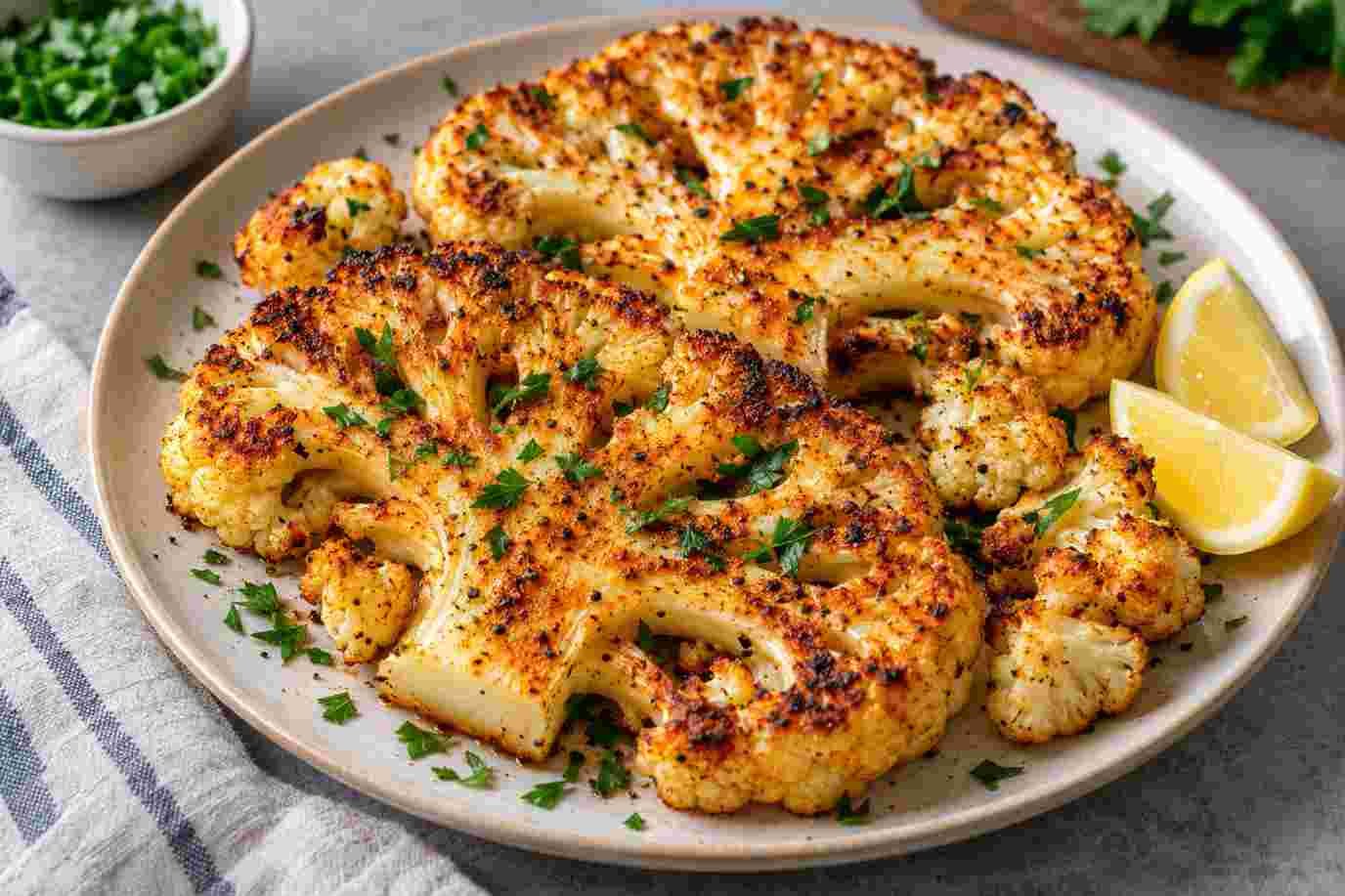
- Roasted vegetables: Sprinkle it over potatoes, cauliflower, green beans, carrots, or roasted mushrooms after cooking.
- Grilled chicken and fish: Add a spoonful just before serving to brighten the flavor of the dish.
- Pasta and risotto: Stir a small amount through warm pasta or scatter it over creamy risotto for a fresh finish.
- Soups and stews: Add it to bean soup, vegetable soup, or a hearty stew immediately before serving.
- Eggs: Use it as a topping for scrambled eggs, fried eggs, omelets, or frittatas.
- Beans and chickpeas: Mix it into warm white beans or sprinkle it over roasted chickpeas.
- Hummus and ricotta: Add a little on top for a fresh, savory contrast.
- Traditional Italian dishes: Serve it with osso buco or other slow-cooked dishes that benefit from a bright herbal finish.
Also Read: Red Pepper and Tomato Soup
Easy Gremolata Variations
The classic three-ingredient recipe is a good place to start, but you can adjust it depending on the meal you are preparing.
| Variation | What to Change | Best Uses |
|---|---|---|
| Mint Gremolata | Replace a small portion of the parsley with fresh mint. | Lamb, roasted vegetables, and spring dishes. |
| Basil Gremolata | Mix in a little chopped fresh basil. | Tomatoes, pasta, and grilled vegetables. |
| Orange Gremolata | Use orange zest instead of lemon zest. | Roasted carrots, poultry, and richer meat dishes. |
| Olive Oil Gremolata | Stir in extra-virgin olive oil and a pinch of salt. | Grilled vegetables, fish, and crusty bread. |
| Parmesan Gremolata | Add a small amount of finely grated Parmesan. | Pasta, potatoes, and roasted vegetables. |
| Cilantro-Lime Version | Replace the parsley with cilantro and the lemon zest with lime zest. | Rice bowls, beans, grilled vegetables, and other dishes with Mexican-inspired flavors. |
Keep in mind that adding oil, cheese, or nuts changes the original recipe and its nutritional values. If you want the traditional fresh and light texture, stick with parsley, lemon zest, and garlic.
Storage and Make-Ahead Tips
Gremolata is at its best when freshly prepared, but you can save leftovers for another meal.
- Refrigeration: Place the mixture in a clean, airtight container and refrigerate promptly. For best quality, use it within 3 to 4 days.
- Keep it dry: Excess moisture can affect the texture, so make sure the parsley is thoroughly dried before chopping.
- Use a clean spoon: Avoid introducing food residue or moisture into the storage container.
- Check before using: Discard it if you notice mold, an unpleasant smell, or other signs of spoilage.
- Make smaller batches: Because the recipe takes only five minutes, preparing just enough for one meal is often the best option.
Although olive oil can be added to make a looser sauce, the storage advice for plain gremolata should not be treated as a guarantee of safety for every variation. Keep all versions refrigerated and use them promptly.
Also Read: Pumpkin Delight
Nutritional Information for Gremolata
Classic gremolata is made from fresh herbs, lemon zest, and garlic, without added oil or cheese. It is naturally low in calories when used in small amounts as a garnish. The following figures are approximate estimates for the basic recipe, not laboratory-tested values.
| Nutrient | Approximate Amount per Tablespoon |
|---|---|
| Calories | 2–5 kcal |
| Carbohydrates | 0.3–1 g |
| Protein | 0.1–0.2 g |
| Total Fat | 0–0.1 g |
| Dietary Fiber | 0.2–0.3 g |
| Sugars | About 0.1 g |
| Sodium | Very low without added salt |
Nutrition note: These estimates can vary with the size of the parsley bunch, lemon, and garlic clove, as well as the amount used per serving. Adding olive oil, Parmesan, nuts, or salt will increase the relevant nutrients. For precise nutritional information, calculate the values using the actual quantities and ingredients in your kitchen.
Frequently Asked Questions
Is gremolata the same as pesto?
No. Traditional gremolata is a chopped mixture of parsley, lemon zest, and garlic. Pesto usually contains basil, olive oil, nuts, and cheese and is commonly blended into a thicker sauce.
Can I make gremolata without a food processor?
Yes. A sharp knife and a chopping board are all you need. Hand-chopping also makes it easier to maintain the fresh, loose texture of the herbs.
Can I use curly parsley instead of flat-leaf parsley?
Yes. Flat-leaf parsley is generally preferred for its texture and flavor, but curly parsley can work if that is what you have available.
Can I make gremolata without lemon?
You can substitute orange or lime zest. Each gives the condiment a different citrus flavor, so choose one that complements the food you are serving.
Should I cook gremolata?
No. Classic gremolata is served fresh and is usually added to cooked food at the end. Long cooking can dull the fresh herbal and citrus flavors.
Is gremolata vegan and gluten-free?
The basic recipe is naturally vegan and gluten-free because it contains only parsley, lemon zest, and garlic. Check any optional additions if you have specific dietary requirements.
How long does homemade gremolata last?
Keep it covered in an airtight container in the refrigerator and aim to use it within 3 to 4 days. Its flavor and texture are usually best on the day it is made.