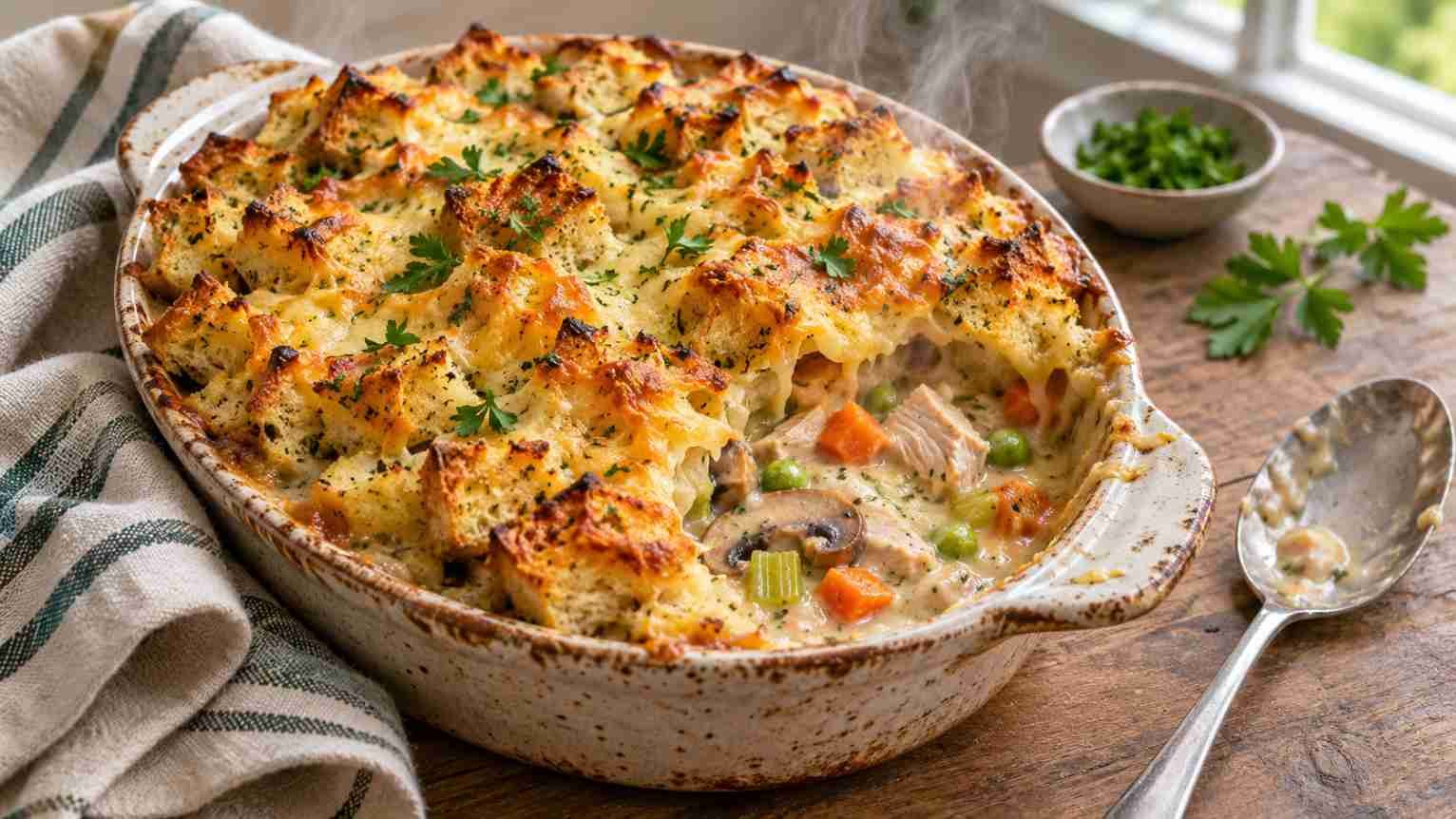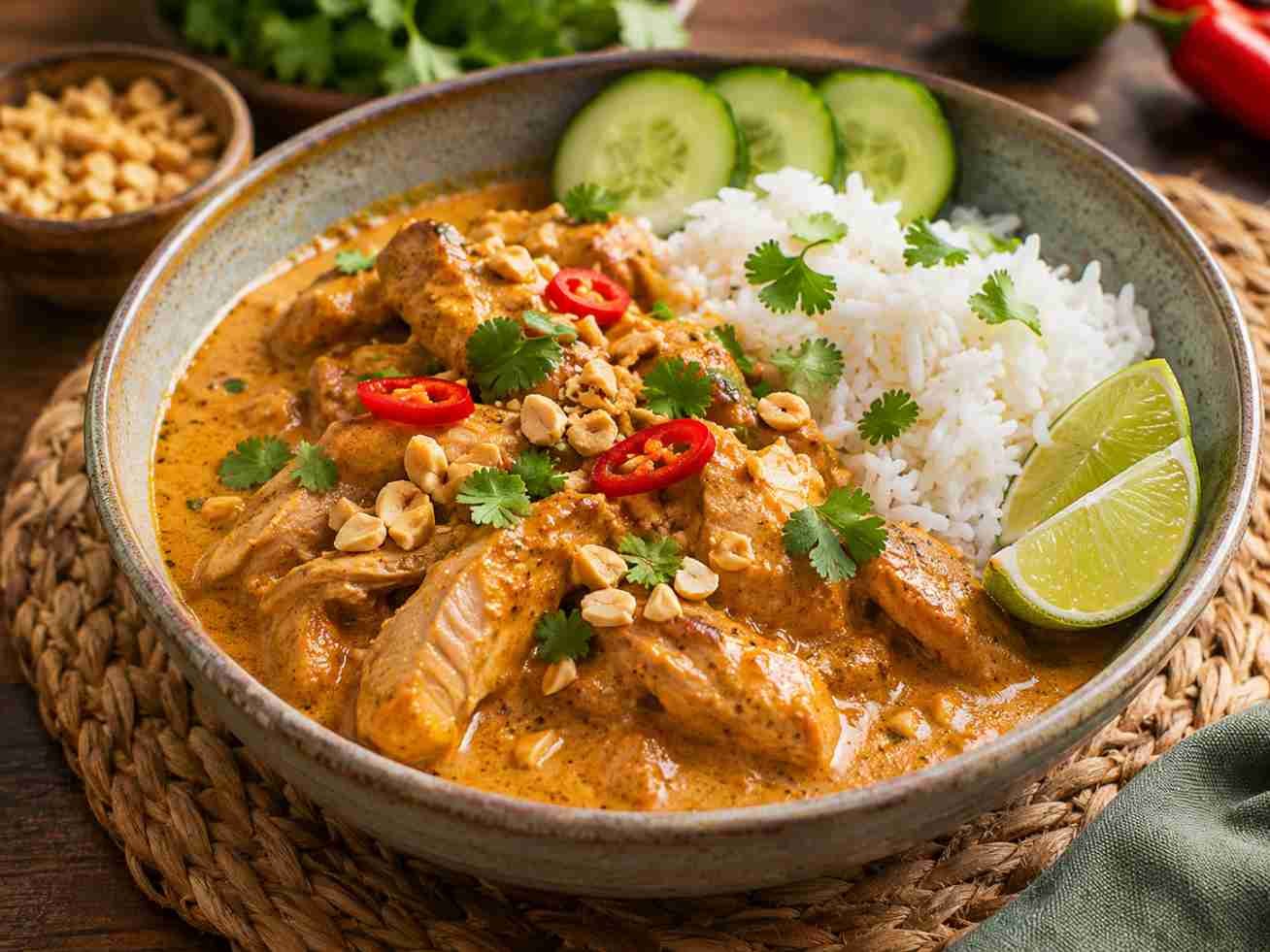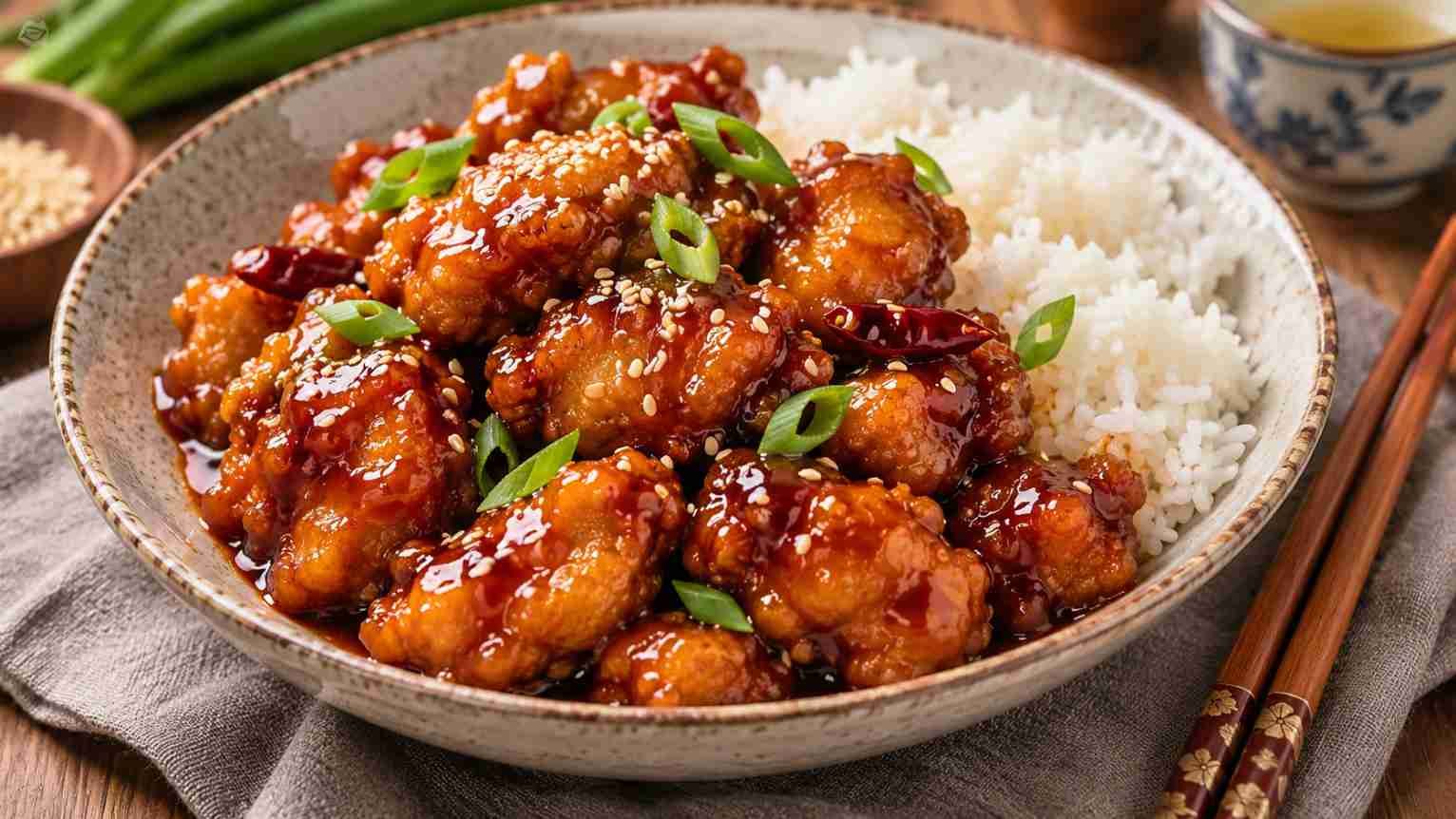
There is something hard to resist about a plate of General Tso’s Chicken. The chicken is crisp around the edges, tender in the middle, and covered in a glossy sauce that manages to be sweet, spicy, tangy, and savory all at once. Add a bowl of hot steamed rice, and you have the kind of dinner that makes ordering takeout seem unnecessary.
The good news is that making General Tso’s Chicken at home is easier than it looks. You don’t need a wok, expensive equipment, or a cupboard full of specialty ingredients. A deep frying pan, a few everyday sauces, and some fresh chicken will do the job. The most important part is getting the coating crisp and adding the sauce just before serving.
This homemade version has plenty of garlic and ginger, a gentle kick from dried chilies, and a sauce that coats the chicken without drowning it. You can adjust the sweetness or heat depending on what tastes right to you.
What Is General Tso’s Chicken?
General Tso’s Chicken is a popular Chinese-American dish made with bite-sized pieces of fried chicken tossed in a sticky, slightly spicy sauce. Its name refers to General Zuo Zongtang, a nineteenth-century Chinese military leader, although the dish itself is generally associated with the development of Chinese-American restaurant cooking rather than traditional nineteenth-century Chinese cuisine.
Unlike some chicken stir-fries, where the meat cooks directly in the sauce, General Tso’s Chicken is prepared in two stages. First, the chicken is coated and fried until crisp. Then it is tossed with a sauce made from soy sauce, vinegar, sugar, garlic, ginger, and chilies. That final coating gives the dish its familiar shiny appearance.
The sauce should have some sweetness, but it shouldn’t taste like candy. A good General Tso’s Chicken also has enough acidity, saltiness, and heat to balance the sugar.
General Tso’s Chicken Recipe Overview
| Recipe Details | Information |
|---|---|
| Preparation Time | 20 minutes |
| Marinating Time | 20 minutes |
| Cooking Time | 20 minutes |
| Total Time | 60 minutes |
| Servings | 4 |
| Cuisine | Chinese-American |
| Course | Main Course |
| Cooking Method | Shallow Frying and Stir-Frying |
| Difficulty | Moderate |
Also Read: Leftover Turkey Pot Pie
Ingredients for General Tso’s Chicken
Most of the ingredients are easy to find in a regular supermarket. Boneless chicken thighs are particularly good for this recipe because they stay juicy during frying, even when the pieces are small.
For the Chicken
- 1 1/2 pounds (680 g) boneless, skinless chicken thighs, cut into bite-sized pieces
- 1 large egg
- 1 tablespoon light soy sauce
- 1 teaspoon rice vinegar
- 1/2 teaspoon salt
- 1/4 teaspoon ground white pepper
- 3/4 cup cornstarch
- 1/4 cup all-purpose flour
- Neutral oil, such as vegetable or canola oil, for shallow frying
For the General Tso’s Sauce
- 1/4 cup low-sodium soy sauce
- 3 tablespoons rice vinegar
- 3 tablespoons brown sugar, packed
- 2 tablespoons hoisin sauce
- 1 tablespoon tomato ketchup
- 1 teaspoon toasted sesame oil
- 1/2 cup water or low-sodium chicken broth
- 2 teaspoons cornstarch
For the Aromatics and Garnish
- 1 tablespoon vegetable oil
- 4 garlic cloves, finely minced
- 1 tablespoon freshly grated ginger
- 3 to 5 dried red chilies, broken into large pieces
- 3 green onions, sliced, with white and green portions separated
- 1 teaspoon sesame seeds, optional
Also Read: Sticky Glazed Christmas Chicken
How to Make General Tso’s Chicken
The easiest way to prepare this recipe is to mix the sauce before frying the chicken. Once the chicken is cooked, everything comes together quickly, so having the ingredients ready makes a noticeable difference.
Step 1: Marinate the Chicken
Place the chicken pieces in a mixing bowl. Add the egg, soy sauce, rice vinegar, salt, and white pepper. Stir until every piece is coated.
Cover the bowl and refrigerate for 20 minutes. This short marinade gives the chicken some seasoning before it goes into the oil. You don’t need to leave it overnight.
Try to cut the chicken into pieces of roughly the same size. Smaller pieces cook quickly, while unusually large pieces may still be undercooked when the outside turns golden.
Step 2: Prepare the Sauce
In a separate bowl, combine the soy sauce, rice vinegar, brown sugar, hoisin sauce, ketchup, sesame oil, and water or chicken broth.
Add the cornstarch and whisk until completely dissolved. Make sure there are no lumps at the bottom of the bowl.
Taste a tiny amount of the uncooked sauce. It will taste stronger before cooking, but you can still judge its balance. If you prefer a tangier sauce, add another teaspoon of rice vinegar. For a sweeter restaurant-style finish, add a little more brown sugar.
Set the sauce aside and stir it again just before adding it to the pan, since the cornstarch will settle as it sits.
Step 3: Coat the Chicken
Mix the cornstarch and all-purpose flour in a shallow dish. Lift the chicken pieces out of the marinade one at a time, allowing excess liquid to drip away, and coat them in the flour mixture.
Press the coating gently against each piece, then shake off any loose flour. Arrange the coated chicken on a plate without stacking the pieces on top of one another.
Let the coating rest for about 5 minutes while the oil heats. This gives the flour a chance to adhere to the chicken instead of immediately falling away during frying.
Step 4: Fry Until Golden and Crispy
Pour enough neutral oil into a deep frying pan to reach approximately 1/2 inch (1.25 cm) up the sides. Heat the oil to around 350°F (175°C).
Carefully add the chicken in small batches. Avoid overcrowding the pan because too many pieces will lower the oil temperature and make the coating greasy.
Fry for approximately 5 to 7 minutes, turning as needed, until the coating is golden and the chicken reaches an internal temperature of 165°F (74°C). Actual cooking time depends on the size of the pieces and the oil temperature.
Transfer the chicken to a wire rack set over a baking sheet. A rack allows air to circulate underneath the pieces, helping the coating stay crisp while you finish the remaining batches.
If you want a firmer, crunchier coating, give the cooked chicken a quick second fry for 45 to 60 seconds in hot oil after the first batch has rested. This extra step is optional.
Step 5: Cook the Garlic, Ginger, and Chilies
Heat 1 tablespoon of vegetable oil in a clean skillet or wok over medium heat.
Add the dried red chilies and the white portions of the green onions. Stir for about 20 seconds, just until fragrant. Add the minced garlic and grated ginger, then cook for another 20 to 30 seconds.
Keep the ingredients moving. Garlic can burn quickly, especially when chopped finely, and burnt garlic gives the finished sauce an unpleasant bitter flavor.
Step 6: Thicken the Sauce
Stir the prepared sauce once more and pour it into the skillet. Bring it to a gentle simmer while stirring continuously.
Within 2 to 3 minutes, the sauce should turn glossy and thicken enough to coat the back of a spoon. It should still flow easily when you tilt the pan.
If the sauce becomes too thick, stir in a tablespoon of water at a time until it reaches the consistency you prefer. If it seems thin, allow it to simmer a little longer.
Step 7: Toss and Serve
Add the fried chicken to the skillet and gently toss until every piece has a thin, even coating of sauce.
Don’t leave the chicken sitting in the sauce for several minutes. The longer it stays there, the more moisture the coating absorbs.
Turn off the heat, scatter the green parts of the onions over the chicken, and finish with sesame seeds if using. Serve immediately with hot steamed rice.
Also Read: Thai Cashew Chicken Stir Fry
What You Can Do Better
A few small adjustments can make a big difference between chicken that tastes good and chicken that tastes like it came from a well-run restaurant kitchen.
Choose Chicken Thighs Instead of Breast
Chicken breast works, but it has less room for error. When fried for even a minute too long, breast meat can become dry. Chicken thighs have a little more fat and connective tissue, which helps them stay tender during frying.
If you only have chicken breast, cut it into even pieces and check the internal temperature rather than relying entirely on cooking time.
Keep the Oil at the Right Temperature
Oil temperature matters more than the amount of oil you use. If the oil is too cool, the coating absorbs more fat before it becomes crisp. If it is too hot, the outside browns before the chicken finishes cooking.
A kitchen thermometer is useful here. Aim for approximately 350°F (175°C), allowing the oil to recover between batches.
Don’t Make the Sauce Too Sweet
General Tso’s Chicken should have a noticeable sweetness, but there should also be enough vinegar, soy sauce, and chili heat to keep it balanced. Start with the listed amount of sugar and adjust after the sauce has simmered.
If the finished sauce tastes overly sweet, a small splash of rice vinegar will usually help more than adding extra salt.
Use Fresh Garlic and Ginger
Garlic powder and dried ginger are convenient, but fresh versions give this particular sauce a brighter flavor. The ginger also adds a gentle warmth that pairs well with the chilies.
Chop the garlic just before cooking and keep the heat moderate so it doesn’t scorch.
Save the Sauce Until the Last Minute
This is one of the simplest ways to preserve the chicken’s crispness. You can fry the chicken and prepare the sauce separately, but only combine them when you’re ready to eat.
For a family dinner where everyone serves themselves, keep a little extra sauce on the side rather than coating every piece heavily.
Also Read: Chicken Ragu
What to Serve with General Tso’s Chicken
Steamed jasmine rice is probably the easiest side dish because it absorbs the extra sauce without competing with its flavor. Plain white rice is just as good, particularly when you want the chicken to be the main attraction.
For a more complete meal, add steamed broccoli, stir-fried bok choy, green beans, or lightly seasoned cabbage. The vegetables provide a fresher contrast to the fried chicken and its sticky sauce.
Fried rice or vegetable noodles also work if you’re preparing a larger Chinese-American dinner. Since the chicken already has a bold sauce, keep the side dishes relatively simple.
Easy Variations to Try
Make It Spicier
Add another two dried chilies or stir 1 teaspoon of chili garlic sauce into the sauce mixture. For a more intense heat, use crushed red pepper flakes, adding a small amount at a time.
Make It Less Spicy
Use one or two whole dried chilies without breaking them open, or leave them out entirely. You’ll still have a flavorful sweet and tangy chicken dish.
Try an Air Fryer Version
For an alternative to shallow frying, lightly spray the coated chicken with oil and place it in a single layer in a preheated air fryer. Cook at 390°F (200°C) for approximately 12 to 16 minutes, turning halfway and spraying any dry flour patches as needed. Check that the chicken reaches 165°F (74°C).
The coating will be a little different from traditionally fried chicken, but it can still develop some crispness. Toss with the warm sauce just before serving.
Use Less Sauce
If you prefer the chicken especially crispy, start by tossing it with only two-thirds of the prepared sauce. Serve the remaining sauce separately for dipping or spooning over rice.
How to Store and Reheat General Tso’s Chicken
Refrigerating Leftovers
Allow leftover chicken to cool briefly, then transfer it to a shallow airtight container and refrigerate within 2 hours of cooking. Store at 40°F (4°C) or below and use within 3 to 4 days.
The chicken will become softer as it sits in the sauce, but the flavor remains good. If you know you’ll have leftovers, storing the chicken and sauce separately is the better option.
Freezing
For the best texture, freeze the cooked, unsauced chicken separately from the sauce. Arrange the cooled chicken pieces on a baking sheet until firm, then transfer them to a freezer-safe container or bag.
For best quality, use within 2 to 3 months. Thaw in the refrigerator before reheating.
Reheating
Reheat leftover chicken in an oven at 375°F (190°C) or in an air fryer at 350°F (175°C) until thoroughly heated to 165°F (74°C). If the chicken is already coated in sauce, use a baking dish to catch drips and check frequently to prevent the sugar from burning.
You can also reheat it gently in a skillet with a small splash of water. This is convenient, although the coating will remain softer.
General Tso’s Chicken Nutritional Information
The following figures are approximate estimates for one serving when the recipe is divided into four portions. They include an estimated amount of frying oil absorbed by the chicken but exclude steamed rice and other side dishes. The exact values depend on the chicken used, oil absorption, and the brands of sauces.
| Nutrient | Approximate Amount Per Serving |
|---|---|
| Calories | 650 kcal |
| Protein | 36 g |
| Total Carbohydrates | 49 g |
| Total Fat | 33 g |
| Saturated Fat | 7 g |
| Dietary Fiber | 1 g |
| Total Sugars | 15 g |
| Cholesterol | 190 mg |
| Sodium | 1,250 mg |
Note: These values are estimates, not laboratory-tested nutritional data. Actual frying oil absorption and the amount of coating retained can change the final calorie and fat content considerably.
Also Read: Sticky Chicken Drumsticks
Frequently Asked Questions
Is General Tso’s Chicken Very Spicy?
It is usually mildly to moderately spicy, depending on the restaurant or recipe. In this homemade version, most of the heat comes from dried red chilies. You can reduce or increase the quantity without changing the rest of the recipe.
Can I Make General Tso’s Chicken Without Deep Frying?
Yes. Shallow frying works particularly well, and this recipe uses that method. You can also prepare the chicken in an air fryer, although the coating won’t have exactly the same texture as fried chicken.
What Is the Difference Between General Tso’s Chicken and Orange Chicken?
Both dishes are commonly made with fried chicken and a sweet, glossy sauce. Orange chicken gets much of its distinctive flavor from orange juice or zest, while General Tso’s Chicken typically relies on soy sauce, vinegar, garlic, ginger, and chilies for a more savory, tangy flavor.
Can I Prepare the Chicken Ahead of Time?
You can mix the sauce and chop the aromatics earlier in the day. The chicken can also be marinated in the refrigerator ahead of cooking. For the best texture, coat and fry it closer to serving time, then add the sauce at the very end.
Why Is My General Tso’s Chicken Soggy?
The most common reasons are overcrowding the pan, frying at a low oil temperature, or leaving the chicken in the sauce too long. Frying in small batches, draining on a wire rack, and tossing the chicken immediately before serving will help.
Can I Use Regular Soy Sauce Instead of Low-Sodium Soy Sauce?
Yes, but regular soy sauce can make the finished dish saltier. If you substitute it for the low-sodium soy sauce in the sauce mixture, reduce the amount slightly and replace the difference with water. Taste the sauce before adding any additional salt.
Can I Make General Tso’s Chicken Gluten-Free?
Yes, with ingredient substitutions. Replace the all-purpose flour with additional cornstarch or a suitable gluten-free flour blend. Use certified gluten-free tamari in place of soy sauce and choose a gluten-free hoisin sauce. Check the labels of the remaining sauces as well.