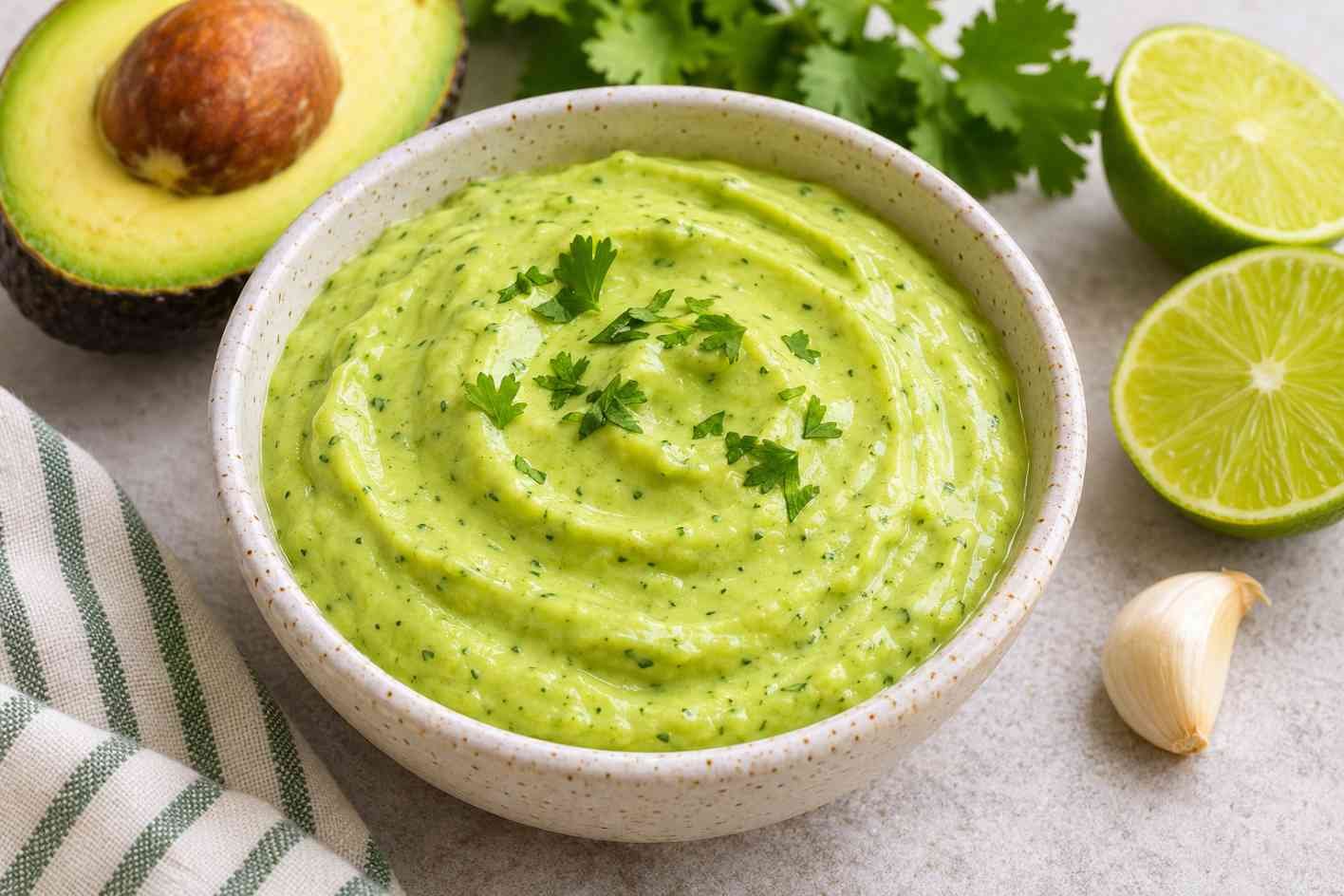
A good avocado sauce can make an ordinary meal taste like something you ordered at your favorite restaurant. It is creamy without being heavy, pleasantly tangy, and fresh enough to balance spicy or richly seasoned food. Spoon it over tacos, serve it alongside quesadillas, or use it as a dip for roasted potatoes and crunchy vegetables. It takes just a few minutes to prepare, and you don’t need any special ingredients to make it taste good.
This homemade avocado sauce combines ripe avocado, Greek yogurt, lime juice, fresh cilantro, garlic, and a little olive oil. The avocado provides a naturally smooth texture, while the lime and yogurt keep the flavor bright. A small amount of cumin adds warmth without overpowering the other ingredients. The result is a versatile green sauce that works equally well as a thick dip or a pourable dressing.
Avocado Sauce Recipe at a Glance
| Recipe Details | Information |
|---|---|
| Preparation Time | 10 minutes |
| Cooking Time | 0 minutes |
| Total Time | 10 minutes |
| Servings | 6 |
| Yield | Approximately 1 1/4 cups |
| Difficulty | Easy |
| Course | Sauce, Dip, Dressing |
| Flavor | Creamy, tangy, fresh, mildly garlicky |
Ingredients for Avocado Sauce
You only need a handful of everyday ingredients. The most important is a properly ripened avocado. An underripe avocado will not blend as smoothly, while an overripe one can have an unpleasant flavor.
| Ingredient | Quantity | Purpose |
|---|---|---|
| Large ripe avocado | 1 (approximately 150 g flesh) | Creates a rich, creamy base |
| Plain Greek yogurt | 1/3 cup | Adds tanginess and a smooth texture |
| Fresh lime juice | 2 tablespoons | Brightens the flavor and helps slow browning |
| Fresh cilantro, chopped | 1/4 cup, loosely packed | Adds a fresh, herbal flavor |
| Garlic | 1 small clove | Provides a savory bite |
| Extra virgin olive oil | 1 tablespoon | Improves richness and consistency |
| Ground cumin | 1/4 teaspoon | Adds mild, earthy warmth |
| Salt | 1/4 teaspoon, or to taste | Balances the flavors |
| Freshly ground black pepper | 1/8 teaspoon | Adds gentle seasoning |
| Cold water | 2–4 tablespoons, as needed | Adjusts the sauce to your preferred thickness |
Choosing the Right Avocado
For this recipe, look for an avocado that yields slightly when pressed gently in the palm of your hand. It should feel soft but not mushy. Cut it open and check the flesh before adding it to the blender. A few small brown marks can be trimmed away, but an avocado with extensive discoloration, mold, or a sour smell should be discarded. If your avocado is still firm, leave it at room temperature until it ripens rather than trying to force it into a smooth sauce.
Also Read: Pizza Sauce Recipe
How to Make Avocado Sauce
There is no cooking involved, and the entire recipe comes together in one blender or food processor. The key is to start with less water than you think you need. You can always thin the sauce later, but it is difficult to rescue one that has become too watery.
Step 1: Prepare the Avocado
Cut the avocado lengthwise around the pit and gently twist the two halves apart. Carefully remove the pit and scoop the flesh into your blender or food processor using a spoon. Discard the skin and pit. Roughly chop the avocado if necessary so it blends more evenly.
Step 2: Add the Fresh Ingredients
Add the Greek yogurt, lime juice, chopped cilantro, peeled garlic clove, olive oil, ground cumin, salt, and black pepper. Start with 2 tablespoons of cold water. If your garlic clove is particularly large, use half of it initially. Raw garlic becomes more noticeable as the sauce sits, so a little restraint gives you better control over the final flavor.
Step 3: Blend Until Smooth
Blend the ingredients for about 30–60 seconds, stopping once or twice to scrape down the sides. Continue until the avocado is completely incorporated and the sauce looks uniformly green and creamy. If the mixture is too thick for the blades to move freely, add cold water 1 tablespoon at a time. Avoid pouring in all the water at once.
Step 4: Taste and Adjust
Taste the sauce before transferring it to a serving bowl. If it tastes flat, add a little more lime juice or a small pinch of salt. If the lime flavor is too strong, an additional spoonful of yogurt can soften it. For more heat, blend in a little chopped jalapeño or a pinch of chili flakes. The finished sauce should have a noticeable citrus tang, but it should still taste primarily of avocado.
Step 5: Serve Immediately or Chill
Pour the sauce into a bowl and serve straight away, or refrigerate it for 15–20 minutes if you prefer it cold. A short rest also allows the garlic, cumin, and cilantro to settle into the creamy avocado base. Stir the sauce before serving, especially if it has been refrigerated.
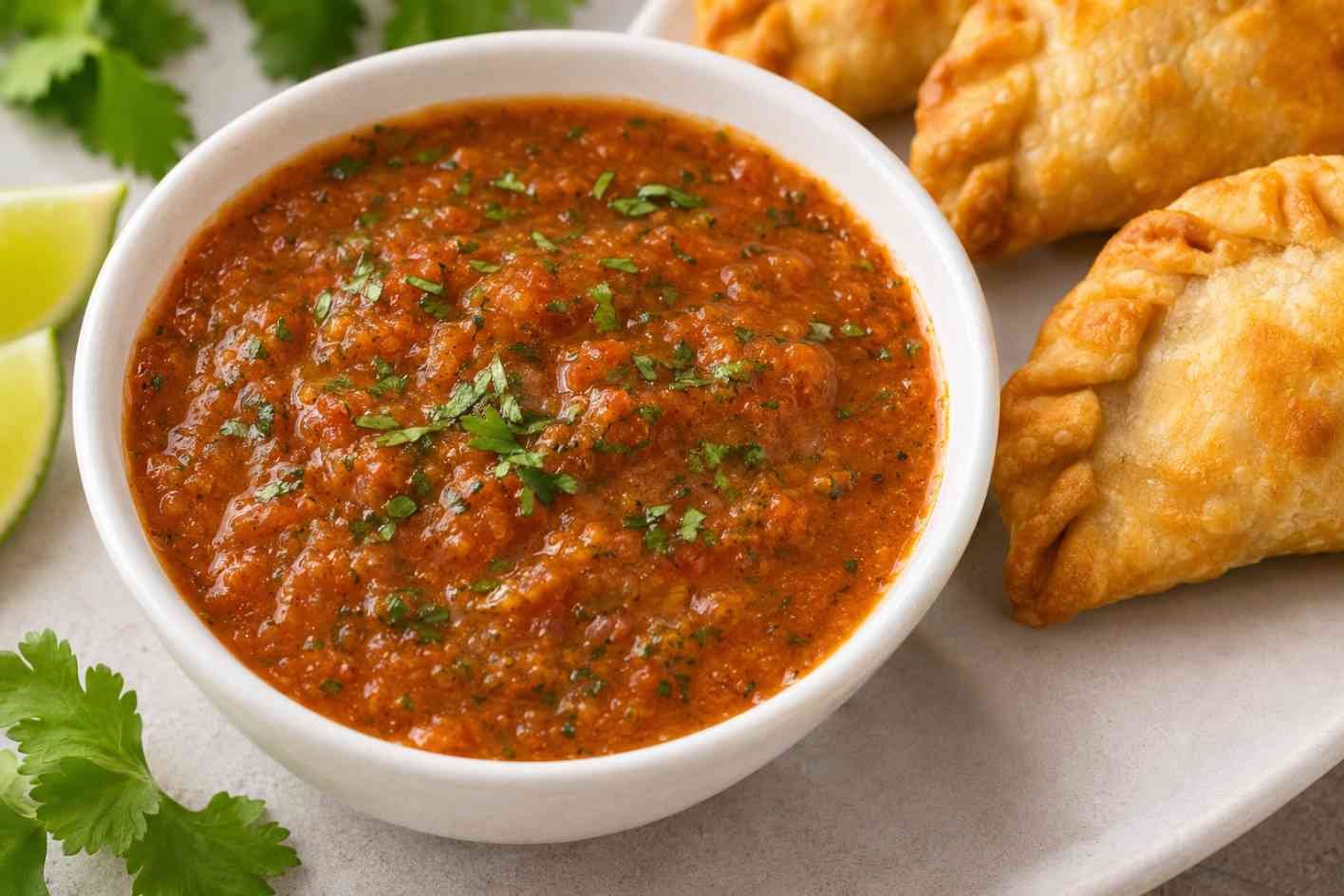
Also Read: Empanada Sauce
What You Can Do Better
Making avocado sauce is simple, but a few small decisions can make a noticeable difference in both texture and flavor. These are the adjustments worth paying attention to.
Use Fresh Lime Instead of Bottled Juice
Fresh lime juice has a brighter, cleaner flavor than most bottled alternatives. Because this sauce uses very few ingredients, the difference is noticeable. Roll the lime against your countertop before cutting it to help release the juice, and add the juice gradually so it doesn’t overpower the avocado.
Don’t Overdo the Garlic
Raw garlic tastes stronger in a cold sauce than it does after cooking. One small clove is usually enough for a batch this size. For a softer garlic flavor, grate a little garlic into the yogurt first and taste the mixture before adding more.
Keep the Texture Appropriate for the Dish
A sauce for dipping chips should be thick enough to cling to them. A sauce for tacos or burrito bowls can be slightly looser, while a salad dressing needs more water to pour easily. Make the basic recipe first, then adjust the consistency according to how you plan to serve it. This is much better than making a thin sauce and trying to thicken it afterward.
Balance Acidity Rather Than Adding More Salt
If your sauce tastes dull even after seasoning, it may need more acidity rather than more salt. Try adding half a teaspoon of lime juice, mixing well, and tasting again. This small adjustment often makes the avocado and cilantro flavors more noticeable.
Serve It with Something Crunchy
The creamy texture is particularly enjoyable alongside crisp foods. Toasted tortillas, roasted potato wedges, grilled corn, and crunchy vegetables all provide a contrast that makes the sauce feel more satisfying.
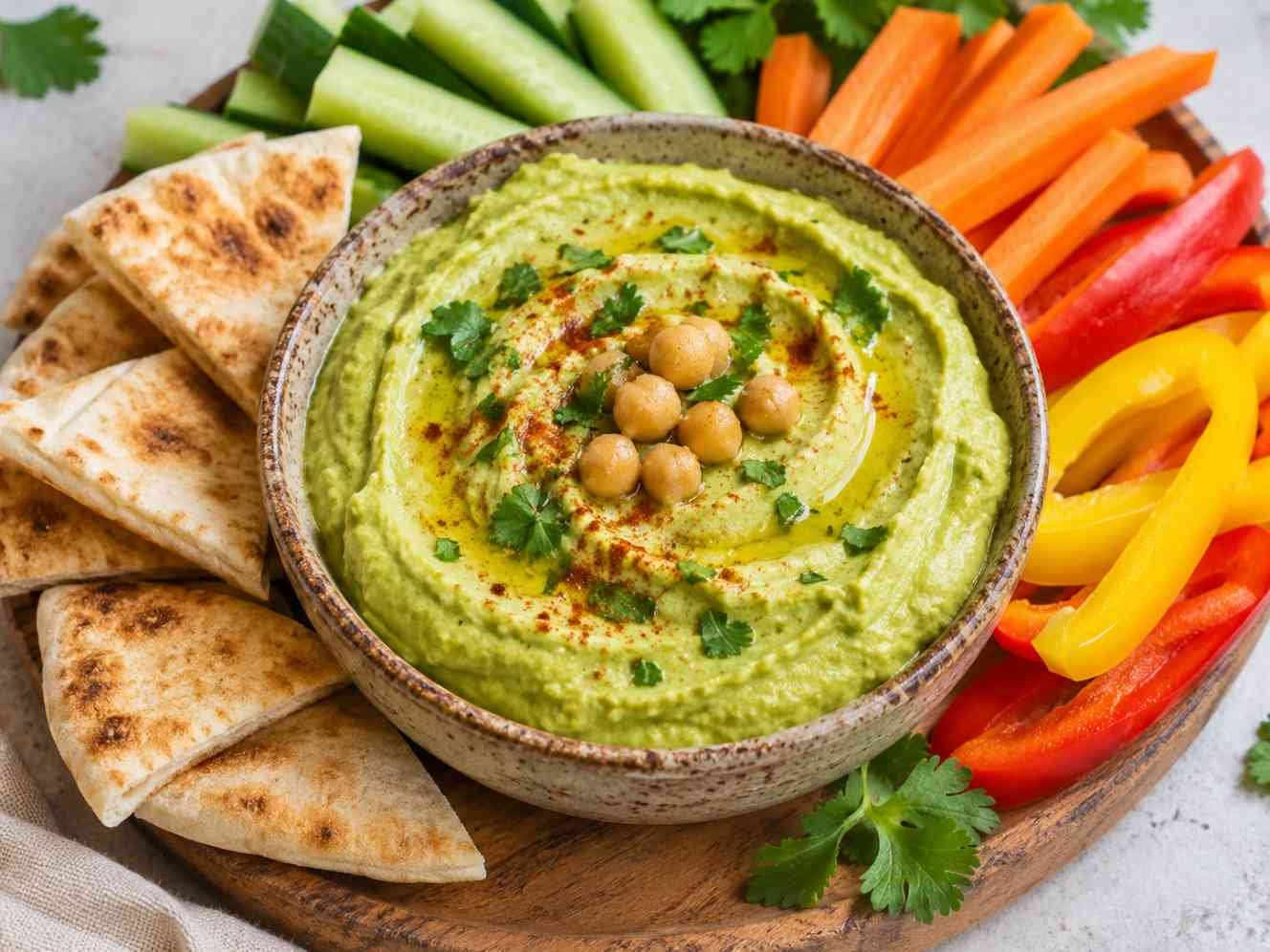
Also Read: Green Goddess Tahini Dip
How to Serve Avocado Sauce
Although this sauce is particularly good with Mexican-inspired food, there is no reason to limit it to tacos and burritos. Its mild flavor makes it useful in plenty of everyday meals.
With Tacos and Quesadillas
Drizzle the sauce over chicken, beef, fish, or black bean tacos just before serving. It also makes an excellent dip for quesadillas, especially when the filling contains melted cheese, grilled vegetables, or strongly seasoned meat. The lime helps balance richer fillings.
As a Dip for Chips and Vegetables
Serve the thicker version in a small bowl with tortilla chips, cucumber sticks, bell peppers, carrots, or celery. For a snack platter, pair it with salsa so guests have a creamy dip and a tomato-based option.
Over Grilled Chicken or Fish
A spoonful of avocado sauce works particularly well with grilled chicken breast, shrimp, or white fish. Its cool, creamy texture contrasts with the browned exterior of grilled food. Serve the sauce on the side rather than heating it directly in the pan.
In Wraps, Sandwiches, and Burgers
Use avocado sauce in place of mayonnaise on a chicken wrap, vegetable sandwich, or homemade burger. Spread a modest amount directly onto the bread or tortilla, then add your other fillings. It pairs especially well with tomatoes, lettuce, grilled mushrooms, and roasted peppers.
As a Salad or Grain Bowl Dressing
Thin the sauce with additional cold water until it reaches a dressing-like consistency. Spoon it over rice bowls, quinoa, roasted vegetables, or a salad with lettuce, corn, beans, and tomatoes. It is also a convenient way to use a ripe avocado when you don’t want to prepare a separate guacamole.
Easy Avocado Sauce Variations
Spicy Avocado Sauce
Add half a small jalapeño, with the seeds removed for less heat, or use a pinch of cayenne pepper. Blend everything together and adjust the heat gradually. A little chili goes a long way in this mild, creamy sauce.
Dairy-Free Avocado Sauce
Replace the Greek yogurt with an equal quantity of unsweetened, unflavored plant-based yogurt. Soy yogurt is a practical option because it generally blends smoothly, although the flavor and nutritional content will vary by brand.
Extra-Creamy Avocado Sauce
For a richer dipping sauce, use full-fat Greek yogurt and reduce the water to the minimum needed for blending. You can also add a second small avocado, but remember to increase the lime juice and seasoning slightly to maintain the balance.
Avocado Cilantro Dressing
Increase the cilantro to 1/2 cup and add enough cold water to make the sauce pourable. This version is particularly good on crunchy chopped salads, grain bowls, and roasted vegetables.
Avocado Sauce Without Cilantro
If you dislike cilantro, simply leave it out or replace it with a small amount of fresh parsley. A tablespoon of chopped chives also works well. The sauce will have a different herbal character, but the avocado, lime, and yogurt will still give it plenty of flavor.
How to Store Avocado Sauce
Avocado sauce is best enjoyed fresh, although you can prepare it ahead of time. Avocado flesh naturally darkens when exposed to oxygen, so proper storage is important if you want to preserve the color and flavor.
Refrigerator Storage
Transfer the sauce to a clean, airtight container and smooth the surface with a spoon. Press food-safe plastic wrap directly against the surface before sealing the container to reduce air exposure. Refrigerate promptly at 40°F (4°C) or below and aim to use it within 2 days for the best color, texture, and flavor. Although lime juice helps slow browning, it does not prevent spoilage. Discard the sauce if it develops an unusual odor, visible mold, or other signs of spoilage.
Can You Freeze Avocado Sauce?
Freezing is possible, but the texture may change because the sauce contains yogurt. After thawing, it can become watery or slightly grainy. If you decide to freeze it, place small portions in freezer-safe airtight containers and use them within 1 month for the best quality. Thaw in the refrigerator and blend or stir thoroughly before serving. For the smoothest result, making a fresh batch is preferable.
Also Read: Bacon Spinach Dip
How to Keep Avocado Sauce Green
Start with fresh avocado and enough lime juice to provide a pleasant tang. Minimize the time the sauce spends uncovered, and store it in a small container with very little empty space above the surface. Some darkening may still occur naturally. Browning alone is not necessarily a sign of spoilage, but it can affect appearance and flavor.
Nutritional Information
Avocados contain dietary fiber, potassium, and predominantly unsaturated fats. Greek yogurt also contributes protein, making this sauce a useful alternative to some heavier creamy condiments. However, the total calorie content depends on the size of your avocado, the type of yogurt, and how much oil you use.
The following figures are approximate estimates for the recipe above, divided into six equal servings. They are not laboratory-tested values.
| Nutrient | Approximate Amount Per Serving |
|---|---|
| Calories | 75 kcal |
| Total Fat | 6.5 g |
| Saturated Fat | 1 g |
| Carbohydrates | 4 g |
| Dietary Fiber | 2 g |
| Total Sugars | 1 g |
| Protein | 2 g |
| Sodium | 110 mg |
| Cholesterol | 1 mg |
Nutrition note: Estimates assume plain nonfat Greek yogurt, one avocado yielding approximately 150 g of flesh, and six servings. Values may differ with ingredient brands, avocado size, and added seasoning. Water used to thin the sauce does not meaningfully change the total calories.
Also Read: Vinaigrette Balsamic Vinegar Sauce
Common Mistakes to Avoid
Using an Underripe Avocado
A firm avocado is difficult to blend into a completely smooth sauce and may taste grassy or bitter. Choose one that is ripe and creamy inside. Allowing the fruit to ripen properly is more effective than adding extra water to compensate for its firmness.
Adding Too Much Water at Once
Water is useful for adjusting the consistency, but it also dilutes flavor. Begin with a small amount, blend thoroughly, and add more only when necessary. If the sauce is intended as a dip, you may need very little water.
Not Tasting Before Serving
Avocados differ in size, lime juice varies in acidity, and garlic cloves are not all equally strong. Exact measurements provide a starting point, but tasting is what makes the sauce balanced. Adjust the lime, salt, and garlic to suit the dish you are serving.
Leaving the Sauce Uncovered
Avocado sauce darkens when it sits exposed to air. If you are preparing it before a meal, cover the surface and refrigerate it until needed. Keeping the sauce cold also helps maintain freshness.
Frequently Asked Questions
Is avocado sauce the same as guacamole?
No. Both use avocado, but they have different textures and purposes. Guacamole is usually mashed and may contain chopped onion, tomato, cilantro, and lime. Avocado sauce is blended until smooth and often includes yogurt or another creamy ingredient. It is generally easier to drizzle or spread than traditional chunky guacamole.
Can I make avocado sauce without a blender?
Yes, provided the avocado is very ripe. Mash the flesh thoroughly with a fork, finely grate the garlic, and chop the cilantro as small as possible. Whisk in the remaining ingredients until the mixture looks creamy. The result will be slightly more textured than a blended sauce, but it will still taste good.
Can I use sour cream instead of Greek yogurt?
Absolutely. Sour cream produces a richer sauce with a slightly different tang. Use the same quantity as the yogurt and adjust the lime juice according to taste. The nutritional values will change, particularly the calories and fat content.
Why is my avocado sauce bitter?
Bitterness may come from an underripe avocado, an avocado with poor flavor, or too much raw garlic. Taste the avocado before blending whenever possible. If the completed sauce is only slightly bitter, a little extra yogurt or lime may improve the balance, but a strongly bitter avocado is better replaced.
How do I make avocado sauce thinner?
Add cold water 1 teaspoon or 1 tablespoon at a time, depending on the quantity you are making. Blend or whisk after each addition. Stop when the sauce reaches the consistency you need for dipping, spreading, or pouring.
Can avocado sauce be served warm?
It is generally better served cold or at room temperature. Heating can change the creamy texture of the yogurt and may make the fresh avocado flavor less appealing. For warm dishes such as tacos, grilled chicken, or roasted vegetables, add the sauce immediately before serving rather than cooking it with the food.
Is avocado sauce gluten-free?
The basic recipe uses ingredients that are naturally gluten-free. If you are preparing it for someone with celiac disease or gluten sensitivity, check the labels of packaged ingredients for gluten-containing additives or cross-contact warnings.