Spaghetti squash became one of those quiet kitchen discoveries for me during a colder season when I wanted something comforting without feeling too heavy afterward. The first time I roasted it properly, I realized the secret was not rushing the caramelization. A little extra roasting time changes everything. The edges become lightly golden, the strands turn naturally buttery, and the whole squash develops a sweet roasted flavor that almost tastes like it already has sauce built into it. Since then, this spaghetti squash recipe has stayed in my regular dinner rotation because it feels cozy like pasta night but lighter and fresher at the same time.
What Makes This Spaghetti Squash Recipe Special
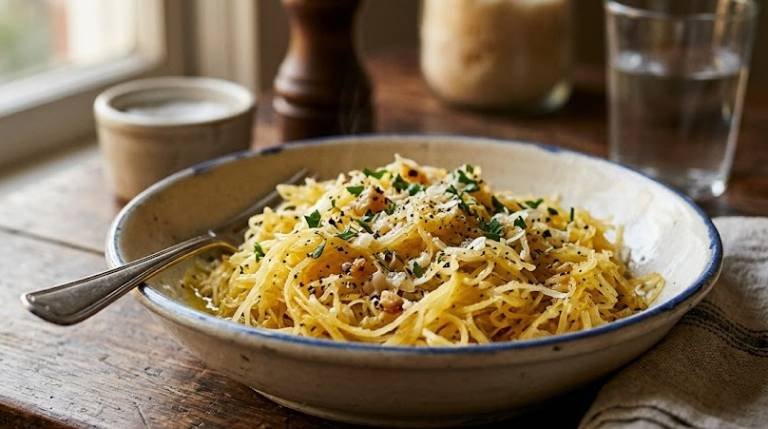
The biggest mistake people make with spaghetti squash is underseasoning it or pulling it from the oven too early. I like roasting the squash cut side down first so the inside steams gently while the edges caramelize against the pan. Once you scrape it with a fork, those tender strands naturally separate into something that really resembles spaghetti but with a slightly nutty flavor and a softer bite. I usually finish it with garlic, olive oil, parmesan, cracked black pepper, and fresh herbs because the squash itself already has a subtle sweetness that doesn’t need heavy sauces.
Ingredients
- 1 medium spaghetti squash
- 2 tablespoons olive oil
- 3 garlic cloves, finely chopped
- 1 teaspoon sea salt
- 1/2 teaspoon black pepper
- 1/2 teaspoon chili flakes
- 1/4 cup grated parmesan cheese
- 2 tablespoons chopped parsley or basil
- Optional: sautéed mushrooms, spinach, cherry tomatoes, or grilled chicken
Also Read: Easy Carbonara Recipe
Step-by-Step How to Make Spaghetti Squash
Step 1: Prepare the Squash
Preheat your oven to 425°F. Carefully cut the spaghetti squash in half lengthwise. Scoop out the seeds and stringy center with a spoon. Drizzle the inside with olive oil and season with salt and pepper.
Step 2: Roast Until Golden
Place the squash halves cut side down on a baking tray lined with parchment paper. Roast for about 35 to 45 minutes depending on size. The outside should feel tender when pierced with a knife, and the edges should have some deep golden color for extra flavor.
Step 3: Create the “Spaghetti” Strands
Let the squash cool slightly so it’s easier to handle. Use a fork to scrape the flesh from top to bottom. The inside will naturally pull apart into long spaghetti-like strands.
Step 4: Build Flavor
Heat a tablespoon of olive oil in a large pan over medium heat. Add garlic and cook for about 30 seconds until fragrant. Add the spaghetti squash strands and toss gently. Sprinkle in chili flakes, parmesan cheese, and fresh herbs. Toss everything together until warm.
Step 5: Serve Warm
Serve immediately with extra parmesan, cracked pepper, and fresh herbs on top. If you want it more filling, add roasted vegetables or grilled chicken.
Also Read: Meatball Recipe
Small Kitchen Trick That Changed My Results
I used to scrape the squash side to side and ended up with short mushy pieces. Now I scrape lengthwise with a fork, following the natural direction of the strands. That simple change makes the texture feel much closer to actual pasta. I also avoid drowning it in sauce because the squash releases moisture naturally as it sits.
Best Ways to Serve It
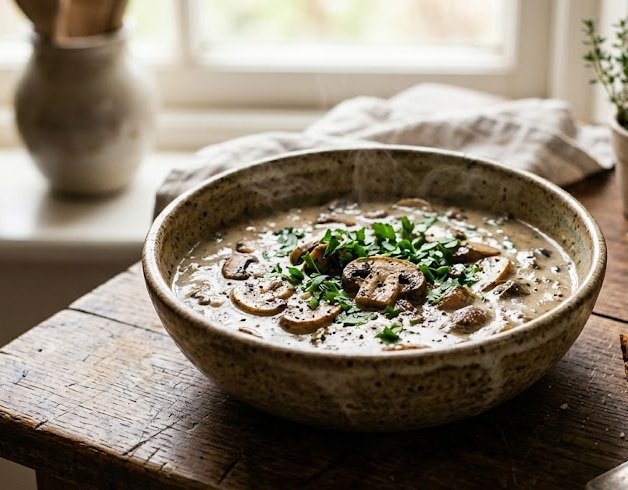
This spaghetti squash recipe works beautifully with garlic butter, pesto, roasted tomatoes, creamy mushroom sauce, or even simple browned butter and sage. Sometimes I make it as a side dish with roasted chicken, and other times I treat it like a full pasta dinner with sautéed vegetables mixed in.
Also Read: Shrimp Scampi Recipe
Nutritional Information (Approximate Per Serving)
| Nutrient | Amount |
|---|---|
| Calories | 170 |
| Protein | 6g |
| Carbohydrates | 14g |
| Fiber | 3g |
| Fat | 11g |
| Saturated Fat | 2.5g |
| Sodium | 420mg |
| Sugar | 5g |
Also Read: Beef Cheek Ragu Pasta Recipe
Storage Tips
Store leftovers in an airtight container in the refrigerator for up to 4 days. Reheat gently in a skillet instead of the microwave if possible because it helps remove extra moisture and keeps the strands from becoming watery.