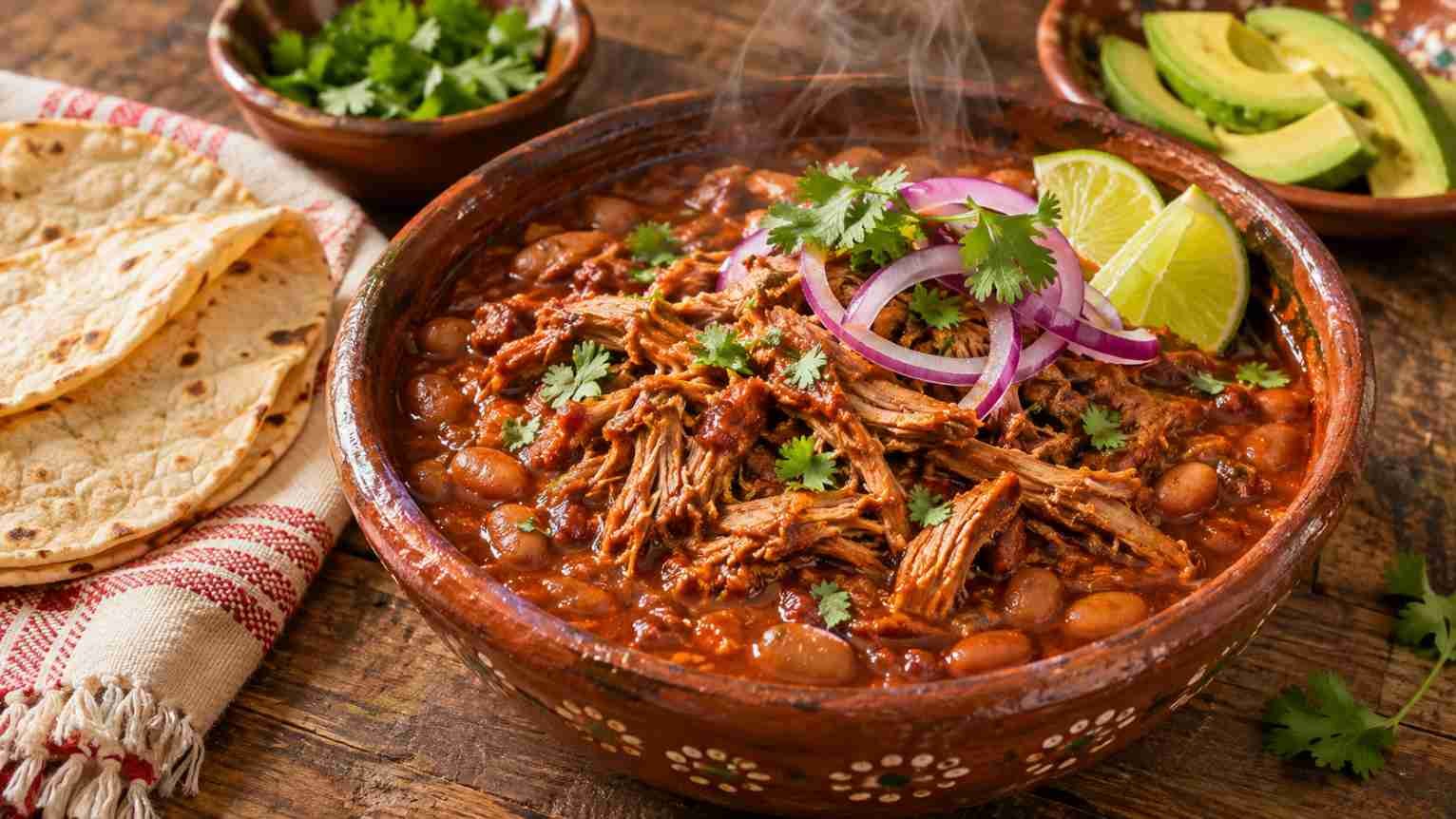
Mexican Chipotle Pork & Beans is exactly that kind of meal. It brings together tender pieces of pork shoulder, creamy beans, tomatoes, garlic, and chipotle peppers in a rich sauce that tastes even better after the flavors have had time to settle.
The chipotle peppers give the dish its unmistakable smoky heat, while a little orange juice and lime bring enough brightness to balance the richness of the pork. The beans soak up the cooking liquid without losing their character, making every spoonful hearty and full of flavor.
This is the sort of dinner worth making a generous batch of. Serve it over rice, tuck it into warm tortillas, or spoon it straight into a bowl with avocado and fresh cilantro. Leftovers are just as useful for quick meals throughout the week.
Mexican Chipotle Pork & Beans Recipe Overview
| Details | Information |
|---|---|
| Recipe | Mexican Chipotle Pork & Beans |
| Cuisine | Mexican-inspired |
| Course | Main Course, Dinner |
| Preparation Time | 20 minutes |
| Cooking Time | 2 hours 40 minutes to 3 hours |
| Total Time | 3 hours to 3 hours 20 minutes |
| Servings | 6 |
| Difficulty | Easy to Moderate |
| Cooking Method | Stovetop and Oven |
| Spice Level | Medium, adjustable |
Ingredients for Mexican Chipotle Pork & Beans
Most of the ingredients are pantry staples, apart from the pork shoulder and chipotle peppers in adobo sauce. Use canned beans for convenience, and choose a pork shoulder with some marbling. A little fat is useful here because it helps keep the meat juicy during the long cooking process.
For the Pork
- 1.2 kg (2.6 lb) boneless pork shoulder, trimmed of excess surface fat and cut into large chunks
- 1 teaspoon ground cumin
- 1 teaspoon smoked paprika
- 1 teaspoon salt, or to taste
- 1/2 teaspoon freshly ground black pepper
- 2 tablespoons olive oil
For the Chipotle Sauce
- 1 large yellow onion, finely chopped
- 5 garlic cloves, minced
- 2 to 3 chipotle peppers in adobo sauce, finely chopped
- 2 tablespoons adobo sauce from the can
- 2 tablespoons tomato paste
- 1 can (400 g or 14 oz) crushed tomatoes
- 1 cup low-sodium chicken broth
- 1/2 cup freshly squeezed orange juice
- 1 teaspoon dried oregano
- 1 teaspoon ground coriander
- 1/2 teaspoon ground cumin
- 1/4 teaspoon ground cinnamon
- 2 bay leaves
- 1 tablespoon apple cider vinegar
- 1 teaspoon brown sugar, optional
For the Beans
- 2 cans (400 g or 14 oz each) pinto beans, drained and rinsed
- 1 can (400 g or 14 oz) butter beans, drained and rinsed
- Juice of 1 lime
- Salt and freshly ground black pepper, to taste
Optional Toppings
- Fresh cilantro, chopped
- Avocado slices
- Finely diced red onion
- Lime wedges
- Sliced jalapeños
- Crumbled queso fresco or another mild cheese
- Warm corn or flour tortillas
Also Read: Chipotle Salsa
How to Make Mexican Chipotle Pork & Beans
The method is straightforward: brown the pork, build the sauce in the same pot, and let everything cook slowly until the meat becomes tender. The beans go in near the end so they can absorb the sauce without turning into mush.
Step 1: Season the Pork
Pat the pork shoulder dry with paper towels. This helps the surface brown properly instead of steaming. Cut the meat into large pieces, approximately 7 to 8 cm across, and place them in a mixing bowl.
Sprinkle with ground cumin, smoked paprika, salt, and black pepper. Toss well until all sides are coated. Let the seasoned meat sit for about 10 minutes while you prepare the onion, garlic, and remaining ingredients.
Step 2: Brown the Pork
Preheat the oven to 160°C (325°F), or 140°C for a fan-assisted oven. Heat the olive oil in a large Dutch oven or another heavy, oven-safe pot over medium-high heat.
Add the pork pieces in two batches, leaving enough space between them for proper browning. Sear for approximately 2 to 3 minutes per side until a deep golden crust forms. The pork does not need to cook through at this point.
Transfer the browned pieces to a plate. Leave the flavorful browned bits in the bottom of the pot because they will help develop the sauce.
Step 3: Cook the Onion and Garlic
Reduce the heat to medium. Add the chopped onion to the same pot and cook for 5 to 6 minutes, stirring occasionally, until softened and lightly golden. If the pan looks dry, add a small splash of olive oil.
Stir in the minced garlic and cook for another 30 seconds. Keep the garlic moving so it does not burn. You should have a fragrant base with plenty of browned flavor from the pork.
Step 4: Build the Smoky Chipotle Sauce
Add the chopped chipotle peppers, adobo sauce, tomato paste, oregano, ground coriander, cumin, and cinnamon. Stir continuously for about 1 minute to release the aroma of the spices.
Pour in the crushed tomatoes and chicken broth, scraping the bottom of the pot with a wooden spoon to loosen any browned bits. Add the orange juice, apple cider vinegar, brown sugar if using, and bay leaves.
Bring the sauce to a gentle simmer. Taste a small spoonful and adjust the seasoning if necessary. It should taste smoky, slightly tangy, and moderately spicy. The flavors will become rounder as the pork cooks.
Step 5: Slow-Cook the Pork
Return the browned pork to the pot along with any juices collected on the plate. Turn the pieces so they are coated in the sauce. The liquid should reach at least halfway up the meat; add a little more broth if the pot is unusually wide.
Cover with a tight-fitting lid and transfer to the preheated oven. Cook for approximately 2 hours 15 minutes, checking the pork near the end. The meat should be easy to pierce with a fork but may still need additional cooking before shredding.
If the sauce begins to look too thick during cooking, stir in a small amount of hot broth or water. Keep the pot covered to prevent excessive evaporation.
Step 6: Add the Beans
Remove the pot from the oven and carefully lift the lid. Stir in the drained pinto beans and butter beans, distributing them throughout the sauce without breaking them apart.
Return the pot to the oven, this time uncovered, for another 25 to 35 minutes. The sauce should reduce slightly and cling to the beans, while the pork becomes tender enough to pull apart with very little effort.
If the pork still feels firm, cover and continue cooking in 15-minute intervals until fork-tender. Cooking time can vary depending on the cut and size of the pieces.
Step 7: Shred the Pork and Finish the Sauce
Remove the bay leaves. Transfer the pork pieces to a plate and use two forks to pull the meat into large, rustic shreds. Return the shredded pork to the pot and fold it gently into the beans and sauce.
Add the lime juice and taste again for salt, acidity, and heat. If the sauce seems too thick, loosen it with a splash of warm broth. If it is too thin, simmer uncovered on the stovetop for a few minutes until it reaches your preferred consistency.
Step 8: Garnish and Serve
Let the finished dish rest for 5 to 10 minutes before serving. Spoon the pork and beans into warm bowls and scatter fresh cilantro over the top. Add avocado, diced onion, sliced jalapeños, and a squeeze of lime if desired.
Serve with warm tortillas for scooping up the sauce, or pile everything over a bed of rice for a filling dinner.
What You Can Do Better
A few small choices can make a noticeable difference in the final dish, especially when working with a long-cooking cut like pork shoulder.
Choose the Right Cut of Pork
Pork shoulder is better suited to this recipe than pork loin or tenderloin. The connective tissue gradually softens during slow cooking, giving the meat its rich texture. Lean cuts tend to dry out before they develop the same tenderness.
Do Not Rush the Browning
The pork develops much of its savory depth during the initial searing stage. Brown the meat in batches and avoid moving it too frequently. A well-colored crust contributes more flavor to the sauce than simply cooking everything together from the beginning.
Start with Less Chipotle
Chipotle peppers in adobo can be surprisingly hot, and the intensity varies between brands. Begin with two peppers if you prefer moderate heat. You can always stir in more chopped chipotle or adobo sauce once the pork is cooked, but removing excessive heat is much harder.
Balance the Smoke with Acidity
The combination of smoky peppers, fatty pork, and slow-cooked tomatoes can taste quite rich. Lime juice and a small amount of vinegar keep the sauce lively. Add the lime near the end so its fresh flavor remains noticeable.
Keep the Beans Intact
Beans that simmer for hours may lose their shape and make the sauce too thick. Stir them in during the final stage and use a gentle hand when mixing. Pinto beans become creamy, while butter beans provide a soft, substantial bite.
Give the Sauce Time to Reduce
Once the meat is tender, the final uncovered cooking period helps concentrate the flavor. Do not rush to thicken the sauce with flour or cornstarch. A short reduction usually gives it a better consistency without changing the texture.
Also Read: Chipotle Sauce
What to Serve with Mexican Chipotle Pork & Beans
This dish is substantial enough to stand on its own, but a few simple sides can turn it into an even more satisfying meal. Because the sauce is bold and smoky, fresh or mildly seasoned accompaniments tend to work best.
- Mexican rice: Tomato-seasoned rice absorbs the extra chipotle sauce and makes the meal more filling.
- Warm tortillas: Soft corn tortillas are especially good for wrapping the shredded pork and beans with chopped onion and cilantro.
- Cilantro-lime rice: Fresh lime and herbs provide a lighter contrast to the slow-cooked pork.
- Grilled corn: Charred sweet corn adds a pleasant sweetness that balances the smoky heat.
- Avocado salad: Combine avocado, tomatoes, red onion, lime, and a little salt for a refreshing side.
- Pickled onions: Their sharp acidity cuts through the richness of the meat.
Easy Variations to Try
Slow Cooker Chipotle Pork & Beans
Brown the pork and prepare the sauce on the stovetop as directed. Transfer everything except the beans and lime juice to a slow cooker. Cover and cook on LOW for approximately 7 to 8 hours, or until the pork shreds easily. Add the drained beans during the last 30 to 45 minutes. Finish with lime juice and adjust the seasoning before serving.
Spicier Chipotle Pork
For a more pronounced smoky heat, add another chipotle pepper or a little extra adobo sauce. A pinch of cayenne pepper also works, although chipotle provides a more distinctive flavor than plain chili heat.
Chipotle Pork with Black Beans
Replace the butter beans with canned black beans for a more familiar Mexican-inspired combination. Black beans have a firmer texture and a slightly earthier flavor. Rinse them thoroughly before adding them to the pot.
Chipotle Pork Burrito Bowls
Spoon the finished pork and beans over cooked rice and top with shredded lettuce, tomatoes, avocado, corn, and a little cheese. Add a spoonful of plain yogurt or sour cream if you want something cool to soften the heat.
Make It More Tomato-Rich
For a brighter, slightly less concentrated sauce, add another 200 g of crushed tomatoes and reduce the chicken broth by 1/4 cup. This version works particularly well when the pork is served over rice rather than inside tortillas.
Also Read: Slow Cooker Mexican Chicken Soup
Storage and Reheating Instructions
Refrigerating
Allow the cooked pork and beans to cool promptly, then transfer to shallow, airtight containers. Refrigerate within 2 hours of cooking. Store at 4°C (40°F) or below and consume within 3 to 4 days.
Freezing
This recipe freezes well because the pork stays surrounded by its sauce. Divide into meal-sized portions and place in freezer-safe containers, leaving a little space for expansion. For best quality, use within 2 to 3 months. Thaw overnight in the refrigerator before reheating.
Reheating
Reheat in a covered saucepan over medium-low heat, adding a splash of water or broth if the sauce has thickened. Stir occasionally and heat until the entire portion reaches 74°C (165°F). Individual servings can also be reheated in the microwave, stirring partway through for even heating.
Nutritional Information
The following values are approximate estimates for one of six servings of Mexican Chipotle Pork & Beans, without rice, tortillas, cheese, avocado, or other optional toppings. Actual nutrition will vary depending on the fat content of the pork, the specific brands used, and the amount of sauce retained.
| Nutrient | Approximate Amount Per Serving |
|---|---|
| Calories | 650 kcal |
| Protein | 52 g |
| Total Carbohydrates | 43 g |
| Dietary Fiber | 12 g |
| Total Sugars | 10 g |
| Total Fat | 30 g |
| Saturated Fat | 9 g |
| Cholesterol | 140 mg |
| Sodium | 950 mg |
| Potassium | 1,250 mg |
| Iron | 5 mg |
| Calcium | 110 mg |
Nutrition disclaimer: These figures are estimates rather than laboratory-tested values. Nutritional content can change significantly with the amount of visible fat trimmed from the pork, canned bean weights, and sodium levels in the broth and adobo sauce.
Also Read: Oven Roasted Tomato Salsa
Frequently Asked Questions
Can I Make Mexican Chipotle Pork & Beans Ahead of Time?
Yes. In fact, it is an excellent make-ahead meal. After a night in the refrigerator, the smoky chipotle sauce often tastes more rounded as the flavors blend. Reheat gently with a little broth if necessary. If a layer of fat has solidified on the surface, you can remove some before reheating.
What Are Chipotle Peppers in Adobo Sauce?
Chipotles are ripe jalapeño peppers that have been smoked and dried. They are often sold rehydrated in a seasoned, tangy tomato-based adobo sauce. The peppers contribute smoky heat, while the sauce adds acidity, seasoning, and a rich red color. Both parts are useful in this recipe.
Can I Use Dried Beans Instead of Canned Beans?
Yes, but cook the dried beans separately until fully tender before adding them to the pork. Different varieties have different cooking times, and acidic ingredients such as tomatoes can slow the softening of undercooked beans. Properly prepare and boil dried kidney beans according to food-safety guidance before using them.
How Do I Make the Dish Less Spicy?
Use one chipotle pepper instead of two or three, and reduce the adobo sauce slightly. Adding more beans or tomatoes can also dilute the heat. A spoonful of sour cream or plain yogurt served on top will soften the perception of spiciness without changing the entire pot.
Can I Make This Recipe Without an Oven?
Yes. Use a heavy pot with a well-fitting lid and simmer gently on the stovetop over low heat. Cook for approximately 2 to 3 hours, or until the pork is fork-tender, checking periodically and stirring carefully to prevent the sauce from sticking. Add the beans near the end and continue cooking uncovered until the sauce reaches your preferred thickness.
What If My Pork Is Still Tough After Cooking?
It usually needs more time. Pork shoulder contains connective tissue that softens gradually with moist heat. As long as the pot contains enough liquid, continue cooking in 15 to 20-minute intervals until the meat pulls apart easily. Increasing the temperature sharply is not the best solution because the sauce may dry out before the meat becomes tender.
Can I Use the Leftovers for Tacos or Nachos?
Absolutely. Shred the pork a little more finely and let some of the sauce reduce if it is too loose. Spoon the mixture into warmed tortillas with fresh onion and cilantro, or spread it over tortilla chips with cheese for loaded nachos. It also works well in burritos, quesadillas, and baked potatoes.