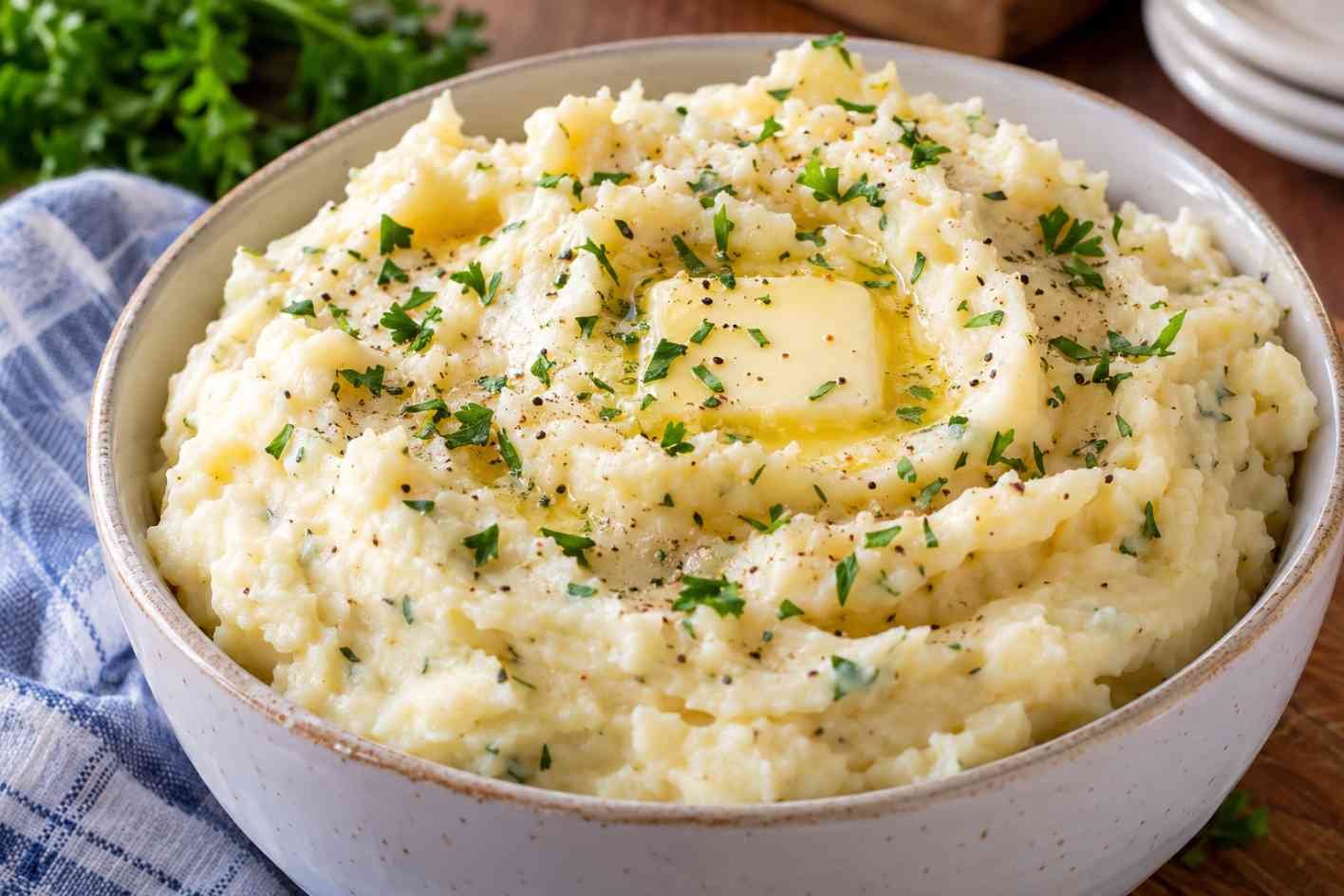
Ranch mashed potatoes are the kind of side dish that can quietly steal attention from the main course. The potatoes are soft and creamy, while ranch seasoning adds a familiar mix of herbs, garlic, onion, and tangy flavor without requiring a long list of seasonings. A little sour cream and butter give the mash a rich texture, making it especially good with roasted chicken, meatloaf, grilled meats, or a simple weeknight dinner.
The trick is not to overwork the potatoes. Cook them until they are completely tender, drain them well, and mash them while they are still hot. From there, butter, sour cream, milk, and ranch seasoning turn plain potatoes into a creamy side with plenty of flavor.
What You Can Do Better
If you normally make mashed potatoes with only butter and milk, ranch seasoning is an easy way to change the flavor without making the recipe complicated. For an even better texture, use potatoes that mash easily and avoid using an electric mixer for too long. Overmixing can make potatoes sticky instead of fluffy.
You can also adjust the consistency to your liking. Add the milk gradually rather than pouring it all in at once. This gives you more control over whether the potatoes end up thick and rustic or smooth and creamy.
Ingredients
| Ingredient | Amount |
|---|---|
| Russet potatoes | 3 pounds, peeled and cut into chunks |
| Unsalted butter | 1/4 cup |
| Sour cream | 1/2 cup |
| Milk | 1/3 cup, plus more if needed |
| Ranch seasoning | 1 packet (about 1 ounce) |
| Salt | To taste |
| Black pepper | To taste |
Also Read: Cauliflower Mashed Potatoes
How to Make Ranch Mashed Potatoes
1. Prepare the potatoes
Peel the potatoes and cut them into similarly sized pieces. Keeping the pieces close in size helps them cook at roughly the same rate, so you do not end up with some pieces firm while others have already fallen apart.
2. Boil until completely tender
Place the potatoes in a large pot and cover them with cold water. Add a little salt, then bring the water to a boil. Reduce the heat and simmer until the potatoes are very tender when pierced with a fork, usually about 15 to 20 minutes depending on the size of the pieces.
3. Drain the potatoes well
Drain the potatoes thoroughly and return them to the warm pot. Let them sit for a minute or two over low heat if necessary. This helps excess moisture evaporate and keeps the finished mashed potatoes from becoming watery.
4. Add the butter and sour cream
Add the butter and sour cream while the potatoes are still hot. Mash until the butter has melted and the sour cream is evenly incorporated.
5. Add ranch seasoning
Sprinkle in the ranch seasoning and mix it through the potatoes. Start with the recommended amount, then taste before adding extra salt because ranch seasoning can already contain a fair amount of sodium.
6. Adjust the consistency
Slowly add the milk and continue mashing until the potatoes reach the texture you want. For chunky mashed potatoes, use a hand masher and stop while some small pieces remain. For smoother potatoes, mash more thoroughly, but avoid excessive mixing.
7. Taste and serve
Taste the potatoes and adjust the black pepper or salt if needed. Serve immediately while they are warm and creamy. A small pat of butter on top is optional but makes a nice finishing touch.
Also Read: Mashed Potatoes Meatball
Tips for Better Ranch Mashed Potatoes
- Start with cold water: Covering the potatoes with cold water helps them cook more evenly.
- Do not overcook them: Potatoes should be tender enough to mash easily, but they should not sit in boiling water longer than necessary.
- Drain thoroughly: Extra water can make the mashed potatoes loose and bland.
- Add milk gradually: You can always add more, but it is difficult to fix potatoes that have become too thin.
- Watch the salt: Ranch seasoning usually contains salt, so taste the potatoes before adding more.
- Use a hand masher for texture: It is the easiest way to keep the potatoes slightly rustic.
- Serve immediately: Mashed potatoes are at their best when they are freshly made and still warm.
Can You Make Ranch Mashed Potatoes Ahead of Time?
Yes. You can prepare the mashed potatoes several hours before serving and keep them covered in the refrigerator. When you are ready to serve them, reheat them gently in a saucepan over low heat, stirring occasionally. Add a splash of milk if they have thickened too much.
For a holiday meal or larger dinner, keeping the potatoes warm in a slow cooker can also work well. Stir occasionally and add a little extra milk or butter if the potatoes begin to dry out.
What Potatoes Are Best?
Russet potatoes are a good choice because they mash into a light and fluffy texture. Yukon Gold potatoes are another excellent option if you prefer mashed potatoes that are naturally creamy and slightly buttery. You can even combine the two for a balance of fluffy and rich textures.
Ranch Mashed Potatoes Variations
Garlic Ranch Mashed Potatoes
Add roasted garlic or a small amount of freshly minced garlic for a stronger savory flavor.
Cheesy Ranch Mashed Potatoes
Stir shredded cheddar cheese into the hot potatoes just before serving. The heat will help the cheese melt into the mash.
Bacon Ranch Mashed Potatoes
Fold crispy cooked bacon into the potatoes and sprinkle a little more over the top before serving.
Herb Ranch Mashed Potatoes
Finish the potatoes with chopped fresh parsley or chives for a fresh, herby contrast to the creamy mash.
Also Read: Mashed Potatoes Recipe
What to Serve with Ranch Mashed Potatoes
These mashed potatoes work with almost any hearty main course. Serve them alongside roast chicken, baked chicken, meatloaf, steak, pork chops, turkey, or roasted vegetables. They are also a practical choice for Thanksgiving and other family-style dinners because they can be prepared in a large batch and kept warm until serving.
Storage and Reheating
Store leftover ranch mashed potatoes in an airtight container in the refrigerator for up to 3 days. Reheat them gently on the stovetop or in the microwave. Add a small splash of milk and stir well to bring back some of the original creamy texture.
Nutrition Information
The following nutrition information is an estimate based on the ingredients listed below and may vary depending on the specific potatoes, ranch seasoning, dairy products, and portion size used.
| Nutrient | Estimated Amount Per Serving |
|---|---|
| Calories | Approximately 300 kcal |
| Carbohydrates | Approximately 43 g |
| Protein | Approximately 6 g |
| Total Fat | Approximately 12 g |
| Saturated Fat | Approximately 7 g |
| Cholesterol | Approximately 30 mg |
| Sodium | Approximately 400 mg |
| Fiber | Approximately 4 g |
| Sugar | Approximately 3 g |
Frequently Asked Questions
Can I use Yukon Gold potatoes instead of Russet potatoes?
Yes. Yukon Gold potatoes make especially creamy mashed potatoes and have a naturally buttery flavor. You can use them in the same quantity.
Can I make these potatoes without sour cream?
Yes. You can replace the sour cream with cream cheese, Greek yogurt, or additional milk. Keep in mind that each substitute will change the flavor and texture slightly.
Can I use ranch dressing instead of ranch seasoning?
It is better to use dry ranch seasoning for this recipe. Ranch dressing contains considerably more liquid, so using it as a direct replacement can make the potatoes too loose.
How do I make the potatoes extra creamy?
Use Yukon Gold potatoes or a combination of Yukon Gold and Russet potatoes, add warm milk gradually, and mash the potatoes while they are hot. Avoid overmixing, which can make them gummy.
Can I freeze ranch mashed potatoes?
Yes, although the texture may change slightly after freezing and thawing. Cool the potatoes completely, place them in an airtight freezer-safe container, and thaw them in the refrigerator before reheating.
Why did my mashed potatoes turn gummy?
Overworking cooked potatoes releases too much starch, which can create a sticky texture. Mash them only until they reach the consistency you want and avoid prolonged mixing with an electric mixer.