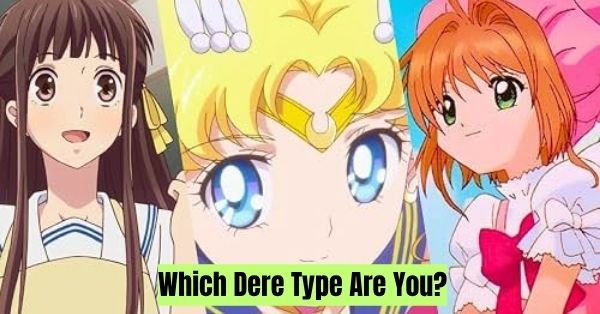
If you watch anime, read manga, or spend time in anime fandom, you have probably seen words like tsundere, yandere, kuudere, and dandere. These words describe different ways a character shows feelings, especially affection and romantic interest.
But what does “dere” actually mean? And which dere type matches your personality? The answer depends on how you react when you like someone, how openly you show your feelings, and what you do when you feel shy, nervous, jealous, or embarrassed.
What Does Dere Mean?
The word dere comes from the Japanese expression deredere (デレデレ). It describes someone who is lovestruck, affectionate, soft, or openly sweet toward another person. In anime fandom, “dere” became part of a group of character labels that describe different ways of expressing affection.
The basic idea is simple: the “dere” part represents affection, while the first part of the word describes the character’s usual behavior. For example, “tsun” refers to a prickly or standoffish attitude, giving us tsundere.
Where Did Dere Types Come From?
The modern dere-type vocabulary grew from Japanese anime, manga, dating games, visual novels, and otaku communities. Among the best-known terms, tsundere played a major role in popularizing the “something + dere” naming pattern.
One early documented use of “tsundere” dates to August 29, 2002, when the term appeared in a Japanese online discussion about a character from the visual novel Kimi ga Nozomu Eien. The word combines tsuntsun, describing a cold or prickly attitude, with deredere, describing affectionate behavior.
As the term became popular, fans began using other “-dere” labels. Today, there are many variations, but a few types are much more widely recognized than the rest.
Also Take: Which KATSEYE Member Are You?
The Main Dere Types
| Dere Type | Basic Meaning | Typical Personality | How They Show Affection |
|---|---|---|---|
| Tsundere | Cold or prickly outside, caring underneath | Stubborn, easily embarrassed, defensive | Helps or cares for someone while pretending it is not a big deal |
| Yandere | Affection that can become obsessive | Sweet, devoted, jealous, possessive | Shows intense loyalty and may become extremely protective |
| Kuudere | Cool and calm outside, caring underneath | Quiet, composed, emotionally controlled | Shows care through small actions instead of big emotional displays |
| Dandere | Very quiet or shy | Reserved, nervous, soft-spoken | Slowly becomes more comfortable and expressive with someone they trust |
| Deredere | Openly affectionate and loving | Cheerful, warm, friendly, expressive | Shows affection directly without hiding it |
1. Tsundere
A tsundere usually has a tough or unfriendly side, especially when their feelings become embarrassing. They may deny that they care, act annoyed, or become defensive even when they are clearly helping someone.
The interesting part is the contrast. A tsundere may say they do not care while secretly doing something thoughtful. The term combines tsuntsun, meaning prickly or standoffish behavior, with deredere, meaning affectionate behavior.
2. Yandere
A yandere character starts with strong affection or devotion, but that affection can become extreme. Jealousy, possessiveness, obsession, and dangerous behavior are common parts of the archetype.
The name is associated with yanderu, meaning to be mentally or physically unwell, combined with deredere. Unlike a tsundere, whose story often moves from emotional walls toward openness, the yandere archetype can move from love toward unhealthy obsession.
3. Kuudere
A kuudere is calm, cool, and usually not very expressive. They may not say much about their feelings, but their actions can show that they care.
The “kuu” part is associated with “cool,” while “dere” represents the affectionate side. A kuudere often stays composed even when something emotional is happening.
4. Dandere
A dandere is usually quiet and shy. They may have plenty to say but struggle to speak when they are around someone they like or when they are in an unfamiliar social situation.
The term is connected with danmari, meaning silence. As a dandere becomes more comfortable and trusts someone, their quieter side may gradually disappear and their warmer personality becomes easier to see.
Also Take: Which Disney Princess Am I?
5. Deredere
A deredere is probably the easiest type to understand. They are openly warm, affectionate, cheerful, and comfortable showing that they care.
Unlike a tsundere or kuudere, a deredere does not need a strong emotional wall before showing affection. They are basically the openly sweet member of the dere family.
Tsundere vs. Yandere vs. Kuudere vs. Dandere
The easiest way to tell these types apart is to look at what happens between their feelings and their behavior.
| Type | What You Notice First | What Is Underneath |
|---|---|---|
| Tsundere | Attitude and defensiveness | Warmth and care |
| Yandere | Strong devotion | Intense attachment that may become obsessive |
| Kuudere | Calm and emotionally controlled behavior | Quiet care and affection |
| Dandere | Shyness and silence | Warmth that appears after trust develops |
| Deredere | Open friendliness and affection | More of the same warmth and affection |
Why Are Dere Types So Popular?
Dere types are popular because they make character personalities easy to recognize. A single word can tell fans a lot about how a character behaves in relationships.
They also create interesting contrasts. A character who looks cold but secretly cares creates a different story from someone who is openly affectionate. Someone who is shy creates another kind of relationship dynamic, while an obsessive character can bring tension or even horror into a story.
However, these labels are best treated as character archetypes rather than strict personality categories. A character can show traits from more than one type, and their personality can change as the story develops.
So, Which Dere Type Are You?
There is no official psychological test that decides whether a real person is a tsundere, yandere, kuudere, dandere, or deredere. These are mainly anime and manga fandom labels used to describe fictional character behavior.
Still, they make a fun personality quiz. If you are usually defensive when you like someone, you may get a Tsundere result. If you stay calm and hide your emotions, you may get Kuudere. If you are shy around someone you like, Dandere may fit you. If you are naturally open and affectionate, you may be a Deredere. A quiz may also identify Yandere traits when answers show unusually strong jealousy or possessiveness.