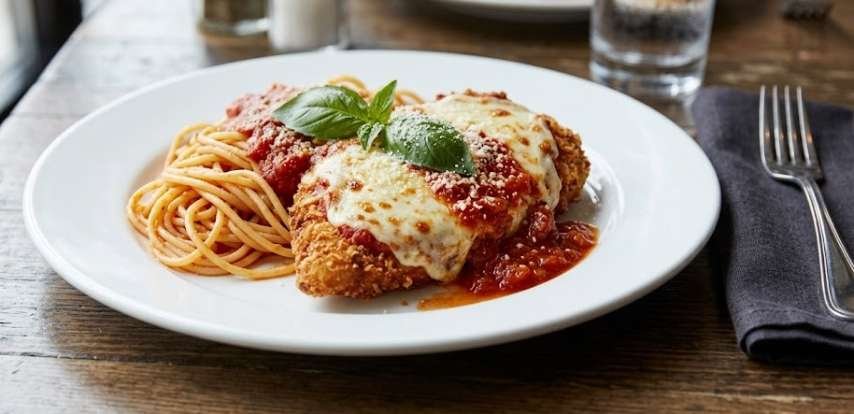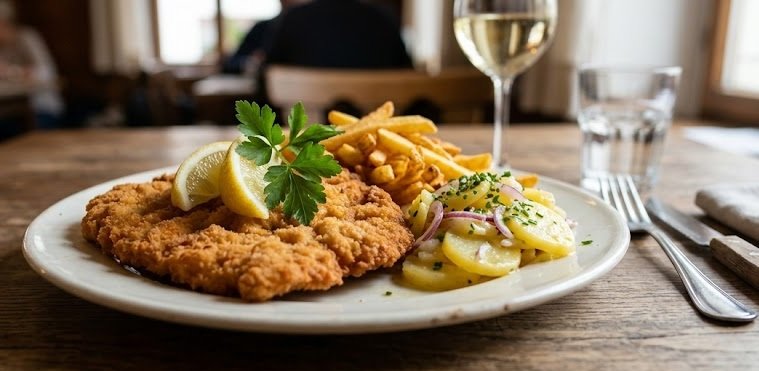
Wiener Schnitzel is a timeless European classic known for its ultra-thin meat, golden crispy coating, and juicy interior. While traditionally made with veal, pork schnitzel has become a popular and budget-friendly alternative that delivers the same satisfying crunch and flavor. This detailed guide walks you through everything from preparation to frying so you can achieve restaurant-quality results at home.
🥩 Ingredients
For the Schnitzel:
- 2–4 boneless pork chops (or veal cutlets)
- 1 cup all-purpose flour
- 2–3 large eggs
- 1–1½ cups fine breadcrumbs
- Salt (to taste)
- Black pepper (to taste)
For Frying:
- Vegetable oil or clarified butter (enough for shallow frying)
For Serving:
- Lemon wedges
- Fresh parsley (optional garnish)
Also Read: String Bean Casserole Recipe
🍳 Step-by-Step: How to Make Wiener Schnitzel
🔹 Step 1: Prepare and Tenderize the Meat
- Place each pork chop between two sheets of plastic wrap or parchment paper.
- Use a meat mallet (or rolling pin) to pound the meat evenly.
- Flatten until it becomes very thin (about ¼ inch or thinner).
- Ensure even thickness across the cutlet to avoid uneven cooking.
- Remove plastic and pat the meat dry with paper towels.
- Lightly season both sides with salt and black pepper.
👉 Tip: The thinner the meat, the crispier and more authentic your schnitzel will be.
Also Read: Chicken Parm Recipes
🔹 Step 2: Set Up the Breading Station
- Arrange three shallow bowls or plates in a row:
- First bowl: Add all-purpose flour.
- Second bowl: Crack eggs and whisk until smooth (you can add a splash of milk if desired).
- Third bowl: Add fine breadcrumbs.
- Keep your workspace organized for easy coating.
- Use one hand for dry ingredients and the other for wet to avoid clumping.
🔹 Step 3: Bread the Schnitzel Properly
- Take one cutlet and coat it lightly in flour.
- Shake off any excess flour.
- Dip the floured cutlet into the beaten eggs.
- Ensure it is fully coated.
- Transfer it to the breadcrumbs.
- Gently coat both sides.
- DO NOT press the breadcrumbs into the meat.
- Place the breaded schnitzel on a plate.
- Repeat with all cutlets.
👉 Tip: A loose breadcrumb coating creates the signature airy, crispy crust.
🔹 Step 4: Heat the Oil Correctly
- Pour enough oil into a pan to allow the schnitzel to float slightly (about ½ inch deep).
- Heat oil over medium heat.
- Ideal temperature: 160–170°C (320–340°F)
- Test oil by dropping a small breadcrumb—if it sizzles immediately, it’s ready.
👉 Tip: Oil that’s too hot burns the coating; too cool makes it greasy.
🔹 Step 5: Fry the Schnitzel
- Carefully place one schnitzel into the hot oil.
- Do not overcrowd the pan (fry one or two at a time).
- Cook for about 2–4 minutes per side.
- Gently shake the pan while frying—this helps the coating puff up.
- Flip once when golden brown on one side.
- Continue frying until both sides are evenly golden and crispy.
👉 Tip: The schnitzel should “swim” in oil—not stick to the pan.
Also Read: Chicken Noodles Soup Recipe
🔹 Step 6: Drain and Rest
- Remove schnitzel using tongs or a slotted spatula.
- Place on paper towels briefly to remove excess oil.
- Do not stack schnitzels—this prevents sogginess.
🔹 Step 7: Serve Immediately
- Transfer to a serving plate.
- Garnish with lemon wedges and parsley.
- Serve hot for the best texture and flavor.
Best served with:
- French fries
- Potato salad
- Fresh green salad
🍽️ Expert Tips for Perfect Schnitzel
- Use fine breadcrumbs (not coarse) for authentic texture
- Always fry immediately after breading
- Maintain consistent oil temperature
- Avoid pressing crumbs—this is key to light crispiness
- Use a wide pan for even frying
Also Read: Pasta Alfredo Sauce Recipe
🧾 Nutritional Information (Per Serving Approx.)
| Nutrient | Amount |
|---|---|
| Calories | 400–500 kcal |
| Protein | 25–30 g |
| Carbohydrates | 25–35 g |
| Fat | 20–30 g |
| Sodium | 400–600 mg |
(Values may vary depending on oil usage and portion size)