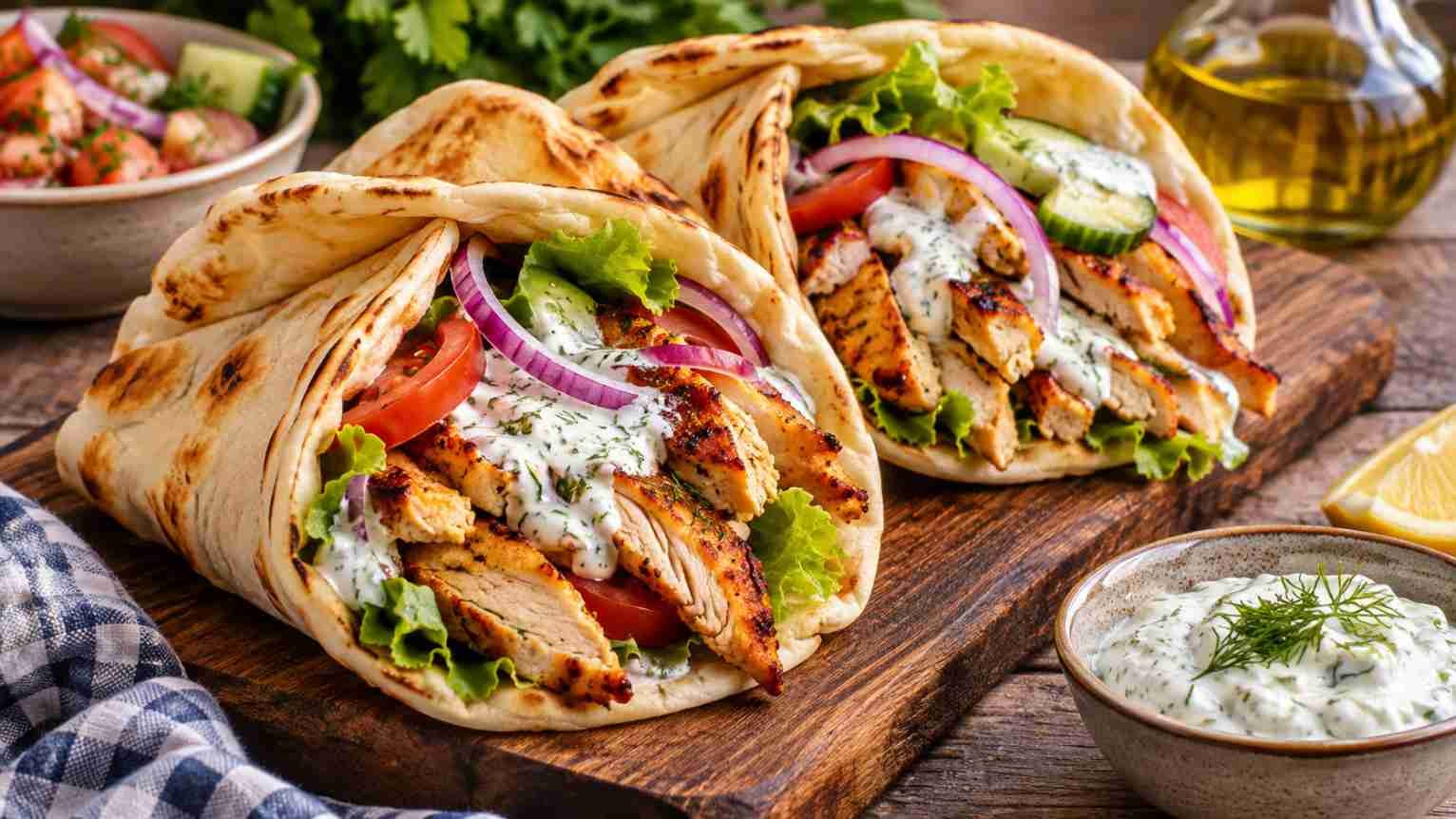
Chicken Gyros is the kind of dinner that rewards a little attention to the details rather than a long shopping list. The aim is straightforward: build flavour in stages, cook the chicken properly, and serve it while the textures are at their best. This version is designed for a home kitchen, with ingredients you can find in an ordinary supermarket and steps that explain what to look for as you go.
The important thing about Greek-style chicken gyros is balance. Salt brings out the savoury side, acidity or aromatics keep the finished dish lively, and sensible heat helps the chicken stay juicy. Instead of relying on a rigid minute count alone, pay attention to the colour, consistency and temperature described below. Different pans, ovens and chicken pieces behave differently.
You can make this for a weeknight meal, but it is also comfortable enough to put on the table when friends come over. Read through the method once before starting, measure everything out, and keep a clean plate ready for the cooked chicken. Those small habits make the whole process feel calmer.
Recipe at a Glance
| Servings | 4 |
|---|---|
| Preparation | 20 minutes, plus optional marinating or chilling |
| Cooking | 25–50 minutes, depending on cut and equipment |
| Skill level | Easy to moderate |
| Food safety | Chicken must reach 74°C / 165°F at the thickest part |
Times are approximate; marinating and chilling are additional where indicated. Yield and nutrition assume four portions.
Ingredients
Measure the ingredients before starting. Fresh aromatics make a noticeable difference, but the recipe does not require specialty equipment.
- 700 g boneless chicken thighs
- 3 tbsp Greek yogurt
- 2 tbsp olive oil
- 2 tbsp lemon juice
- 3 garlic cloves, grated
- 2 tsp dried oregano
- 1 tsp smoked paprika
- 1 tsp ground cumin
- 1 tsp salt
- 4 pita breads
- 1 cucumber
- 2 tomatoes
- 1 red onion
- 200 g tzatziki
Ingredient amounts are intended for four servings. Taste and adjust the final seasoning after cooking, particularly when using salted stock, cheese, bottled sauces or other prepared ingredients.
Also Read: Satay Chicken Legs with Peanut Sauce
How to Make Chicken Gyros
- Get everything ready. Before switching on the heat, prepare every ingredient and check the size of your chicken pieces. Evenly sized pieces cook more consistently, so trim unusually large pieces or allow them a little more time. If you are handling raw chicken, use a separate board and wash your hands and utensils thoroughly afterward.
- Build the flavour. Marinate the chicken in yogurt, oil, lemon, garlic, oregano, paprika, cumin and salt for at least 30 minutes.
- Cook and finish. Sear thighs in a hot skillet for 5–7 minutes per side until the centre reaches 74°C (165°F). Rest for five minutes, then slice across the grain.
- Check the texture and temperature. Warm pitas briefly, spread with tzatziki, add chicken, sliced cucumber, tomato and onion, then fold and serve.
- Rest, taste and serve. Watch the pan or oven rather than following the clock blindly. If the outside is browning too fast, reduce the heat slightly; if the food looks pale and wet, give it more room or a little more time. A digital instant-read thermometer is the simplest way to avoid both undercooked and dry chicken.
- Make the final adjustment. When the chicken is done, give it a short rest before cutting or serving. Taste the finished sauce or accompanying mixture and adjust seasoning in small increments. A little extra lemon, salt or freshly ground pepper can change a flat dish into something noticeably more complete.
If your oven runs hot or your pan is unusually heavy, expect some variation in timing. The visual cues and internal temperature matter more than an exact minute count.
What You Can Do Better
A hot pan and a short rest are more important than chasing heavy char. Keep the vegetables crisp and drain watery tomatoes before assembling.
Taste in stages. Ingredients such as stock, cheese, soy sauce and seasoning blends can already contain salt, so adding everything at the beginning can make the finished dish difficult to correct. Start conservatively and adjust at the end.
Make room for browning. A crowded pan traps moisture, which means the chicken steams instead of developing a savoury surface. Cook in batches when necessary, even if that means a few extra minutes.
Keep a thermometer nearby. Colour alone is unreliable, especially with marinades, spices or bone-in pieces. Measure in the thickest part and avoid touching bone with the probe.
Also Read: One Pot Broccoli Chicken Mac and Cheese
Variations and Substitutions
Use chicken breast if preferred, but reduce the cooking time. Add fries inside the pita for a street-food-style variation. Treat these as options rather than requirements: the basic recipe should still work well without an extra trip to the shops.
If you change the cut of chicken, expect the cooking time to change too. Boneless breast cooks more quickly than bone-in thighs or drumsticks; wings have a high skin-to-meat ratio and benefit from a different approach to browning. Always verify doneness with a thermometer.
For serving, think about contrast. A rich chicken dish benefits from a sharp salad or steamed greens, while spicy or strongly seasoned chicken works well with rice, bread or a cooling yogurt-based accompaniment. Keep side dishes simple so the main flavours are easy to appreciate.
What to Serve With Chicken Gyros
Aim for a mix of textures on the plate. Something crisp or acidic alongside the chicken makes the meal feel balanced, especially when the main dish is rich or sticky. A simple green salad with lemon dressing is a reliable starting point.
For a more substantial dinner, add a modest portion of rice, potatoes, pasta or warm bread as appropriate. If the chicken comes with its own sauce, choose a side that can catch it. Put extra garnishes on the table so people can finish their portions to taste.
For a casual gathering, serve family-style and keep any delicate garnishes separate until the last moment. That helps the chicken retain its texture and lets everyone build a plate they enjoy.
Storage and Reheating
Cool leftovers promptly and refrigerate in a covered, shallow container within two hours of cooking. Eat refrigerated leftovers within three to four days. If the dish has been sitting out longer than two hours at room temperature, discard it rather than trying to rescue it by reheating.
For longer storage, freeze portions in airtight containers for up to two to three months for best quality. Label the container with the date. Cream-based sauces can look slightly separated after thawing; gentle reheating and stirring often help restore their texture.
Reheat leftovers until steaming hot throughout, ideally to 74°C (165°F). Use moderate heat and a splash of water or stock if the sauce has thickened. Crispy chicken is best reheated uncovered in an oven or air fryer rather than a microwave, which softens the exterior.
Also Read: One Pan Portuguese Chicken and Potato Bake
Nutritional Information
The figures below are rough estimates per serving, not laboratory measurements. They depend on the size and cut of chicken, the exact products used, the amount of sauce eaten and whether optional ingredients are included. Side dishes are not included unless they are part of the listed recipe.
| Nutrient | Estimated amount per serving |
|---|---|
| Calories | 520 kcal |
| Protein | 38 g |
| Carbohydrates | 44 g |
| Total fat | 22 g |
| Fibre | 1–4 g, depending on accompaniments |
| Sodium | Varies with brands and seasoning |
For a medically prescribed diet or precise tracking, calculate nutrition using the exact ingredient brands and weights you cook with.
Frequently Asked Questions
Can I prepare this recipe ahead of time?
Yes. Prepare and measure the ingredients ahead, and keep raw chicken refrigerated until you are ready to cook. For the best texture, finish chicken gyros close to serving time; if you cook it ahead, cool and store it promptly.
How do I know the chicken is cooked?
Use an instant-read thermometer in the thickest part of the meat, avoiding the bone. The safe minimum internal temperature is 74°C (165°F). Juices running clear are not a dependable substitute for a thermometer.
What should I serve with it?
A crisp salad, simple vegetables, rice or bread all make sensible accompaniments. Choose something that complements the sauce and seasoning rather than competing with them. A little freshness at the table usually helps.
Can I use chicken breast instead of thighs?
Often, yes, but breasts are leaner and can dry out more easily. Adjust the cooking time, watch the temperature closely and avoid treating the two cuts as interchangeable by weight alone.
How can I fix a dish that tastes flat?
Taste for salt first, then consider whether it needs a little acidity, such as fresh lemon juice, or a fresh herb garnish. Add a small amount, stir and taste again rather than overcorrecting all at once.